
Senior living technology
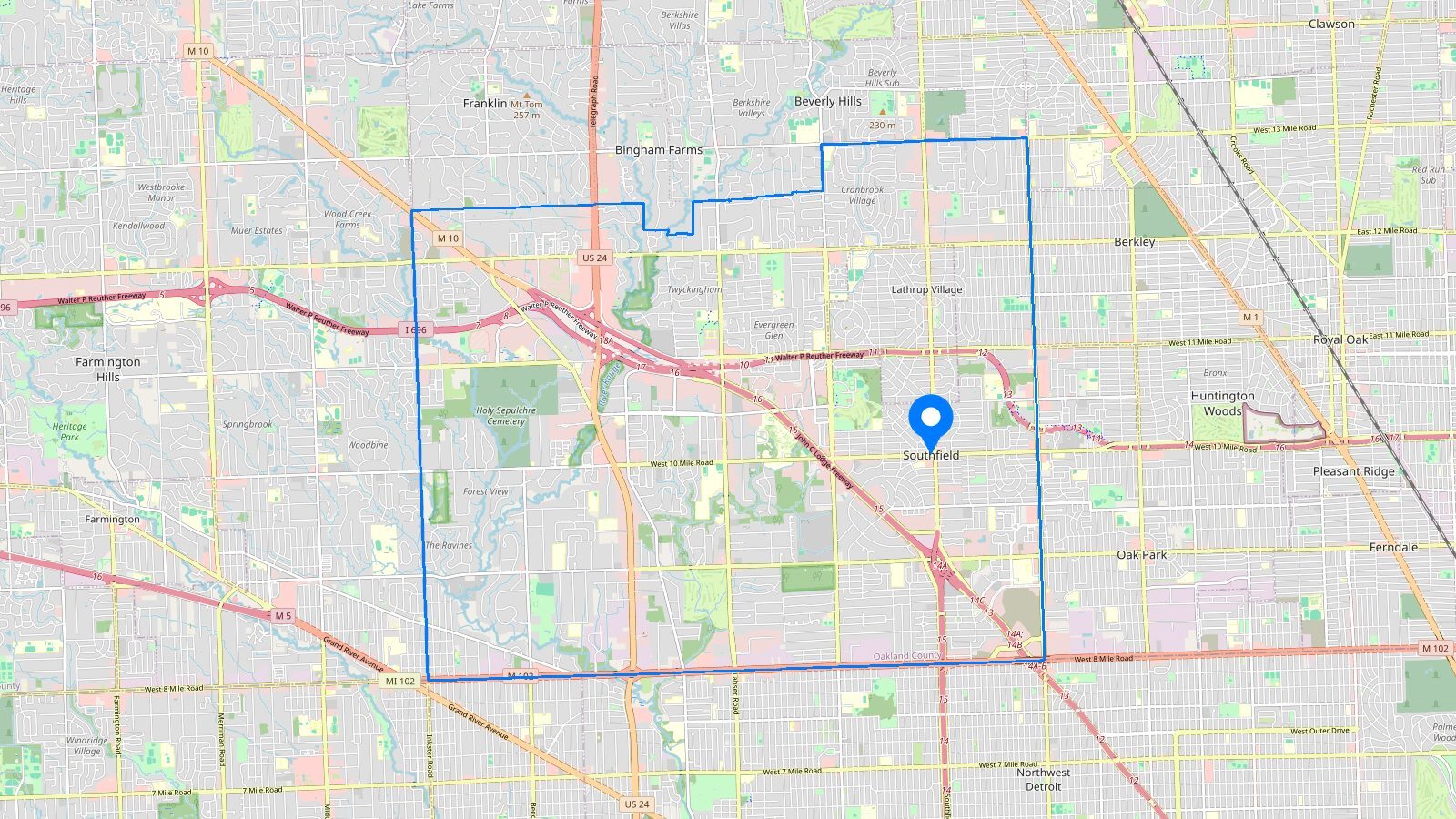
Nurse Call Systems in Southfield, Michigan
Nurse call systems help your care team receive real-time information, respond faster, and support residents when help is needed. They fit assisted living, independent living, and nursing home settings across Southfield.
- Nurse Call Systems for senior living in Southfield
- Faster staff awareness and response coordination
- Better support for residents, caregivers, and operations
Why nurse call systems matter
Nurse call systems support resident care and daily operations by improving awareness, response coordination, and communication in senior care settings.
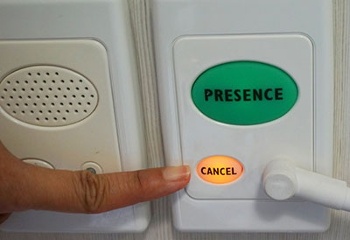
Faster awareness
Your staff can see requests sooner and act with better timing. That helps reduce delays and improve day-to-day response.
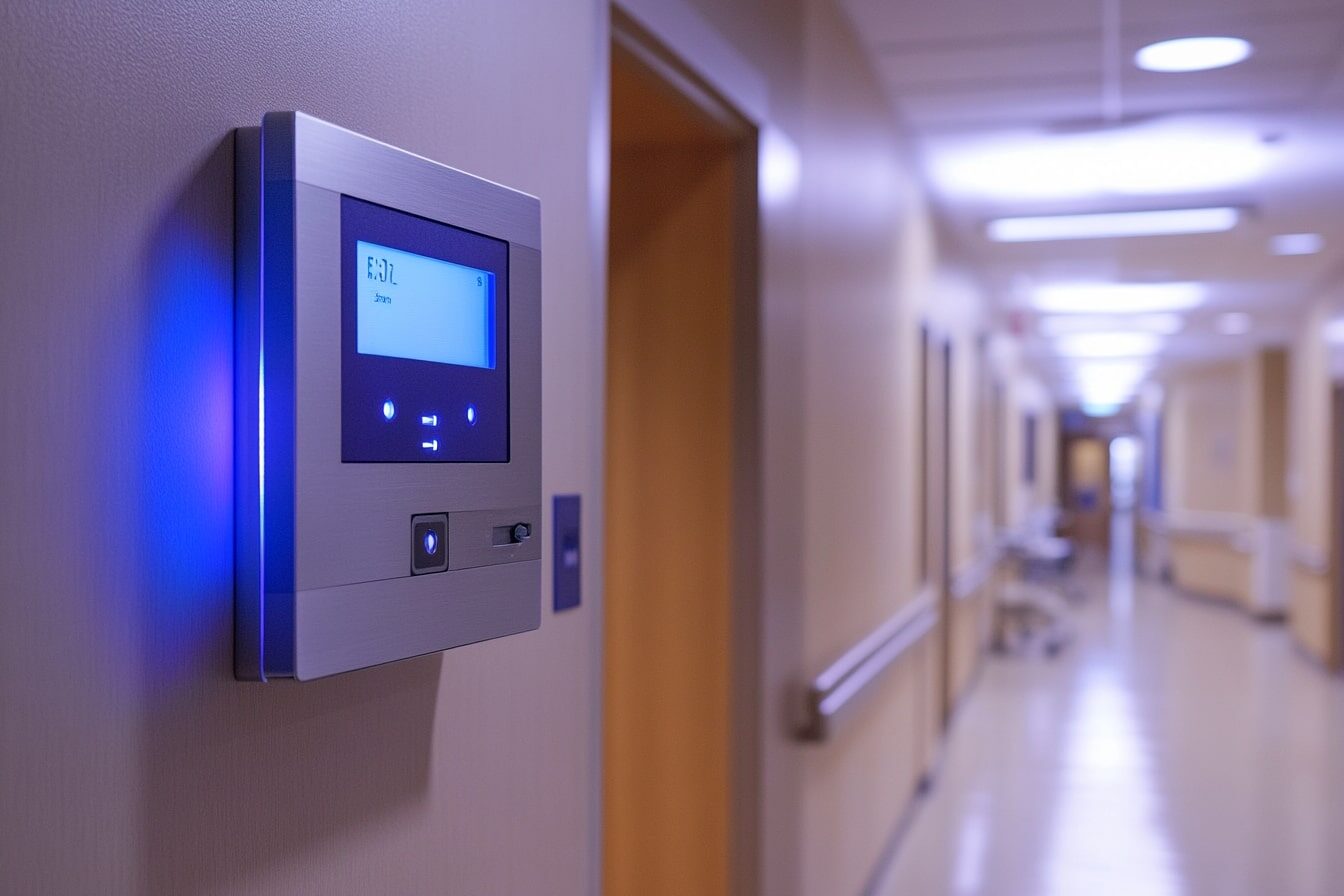
Stronger team performance
Clearer communication supports staff productivity and helps your team manage resident needs with more confidence during busy shifts.
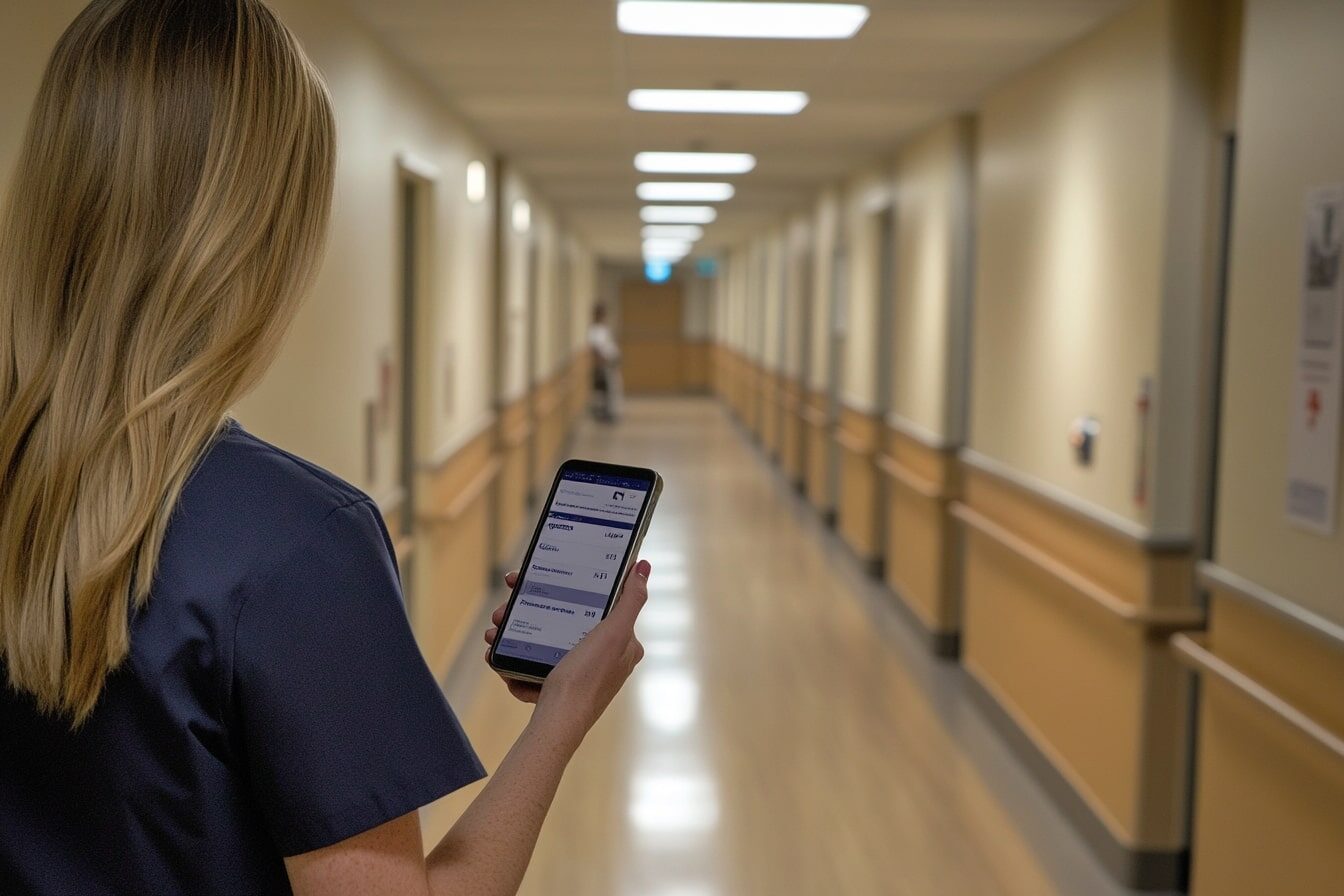
Better resident experience
Residents gain a more dependable way to request help. That supports comfort, reassurance, and a better care experience.
Built for senior care environments
Nurse call systems play an important role in senior care technology by helping people, processes, and response efforts work together more smoothly.
Assisted living communities
You need communication tools that support residents while helping staff respond efficiently throughout the day and night.
Independent living settings
Nurse call systems can support residents who value independence but still need a reliable way to request assistance.
Skilled nursing facilities
Higher-acuity environments benefit from faster awareness and better coordination when resident needs change quickly.
Retrofit projects
If your building is already occupied, planning matters. Your project should limit disruption while improving communication coverage.
New construction planning
Early coordination helps your nurse call project align with your building goals, schedules, and broader care environment needs.
Who TIP supports
You may be a facility director, owner, operator, administrator, or general contractor planning care communication improvements in Southfield.
Project scope
TIP supports single-building upgrades and larger multi-site work for senior care organizations with evolving communication needs.
How Technology Install Partners supports nurse call projects
TIP follows a repeatable project approach and stays available after installation to support your system and your team.
Assess needs
Your project starts with understanding your building, care environment, workflow needs, and response goals.
Design and install
TIP uses a vendor-neutral approach to recommend, plan, and install a system that fits your facility.
Support after deployment
You continue to receive service after installation, so your team has help as needs change over time.
Our process
TIP uses a clear four-step process to guide your nurse call project from planning through installation and ongoing support.
Discover
Your team shares goals, site conditions, and care needs so the project starts with a clear understanding.
Plan
A tailored approach is developed for your nurse call system, schedule, and facility requirements.
Install
Your system is installed with close coordination to help keep the project organized and on track.
Support
Ongoing service helps your system continue supporting resident communication and staff response after deployment.
Project guidance stays focused on planning, installation, and support without adding unsupported technical claims.
Why facilities trust TIP
Confidence matters when your project supports communication, life safety, and day-to-day care operations.
Established since 2008
You work with a company that has served commercial clients since 2008 on important security and life-safety projects.
More than 500 commercial clients
A broad commercial client base reflects experience across different buildings, teams, and project requirements.
Factory-trained staff
Your project is supported by technical staff with manufacturer certifications across more than 50 product lines.
Flexible project experience
TIP handles both single-building retrofits and multi-site rollouts, giving you support that matches your project scope.
These trust signals reflect company experience and capability, not platform-specific nurse call specifications.
Supporting infrastructure for connected care environments
Your nurse call project may benefit from related low-voltage infrastructure that supports communication throughout the facility.
Structured cabling
Reliable cabling infrastructure can support your connected care environment and help prepare your facility for system needs.
Wireless networks
Wireless connectivity may support communication across your facility when your care environment depends on connected systems.
Intercoms and life-safety support
TIP also handles intercoms and integrated commercial security and life-safety work that may support broader facility goals.
Supporting systems are presented as related infrastructure, without assuming specific nurse call integrations.
Talk with TIP about nurse call systems
Talk with a team that helps you plan, install, and service nurse call systems for senior living, care communication, and response coordination.