
Supporting infrastructure for integrated commercial security
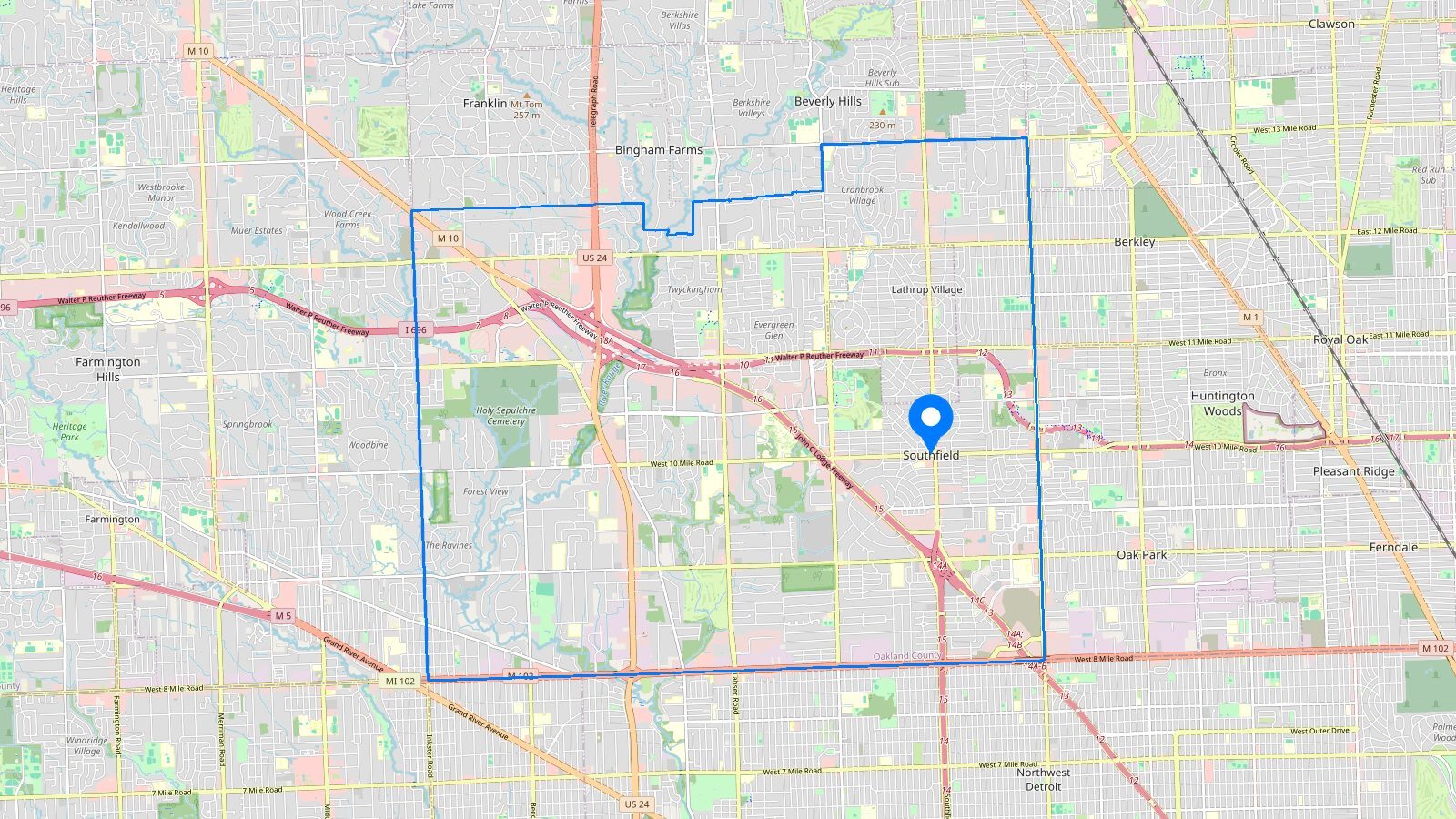
Enterprise Wireless Networks in Southfield, Michigan
Your enterprise wireless network supports the connected systems your facility depends on every day. Technology Install Partners delivers reliable communications that help security and building technologies work together with less complexity and room to scale.
- Enterprise wireless networks for Southfield commercial facilities
- Supports connected security, access, video, and building systems
- Planned to reduce complexity and scale with your operations
Why enterprise wireless networks matter
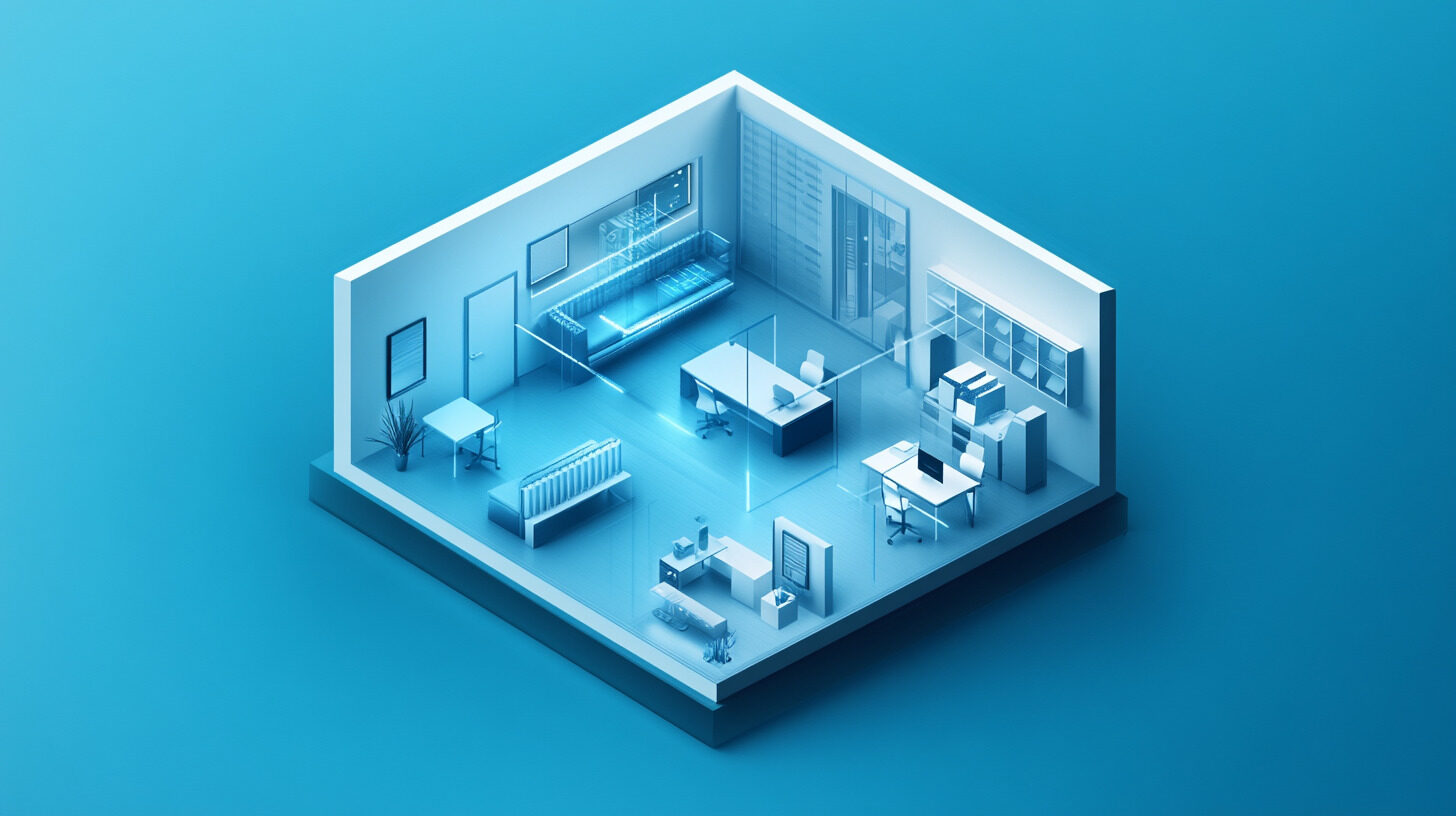
Your facility needs more than basic Wi-Fi when connected security and building systems rely on stable communication every day. An enterprise wireless network helps support dependable performance across the technologies your teams use most.

Reliable system communication
Your cameras, access control, alarms, and intercoms need dependable connectivity. A stronger wireless foundation helps reduce interruptions and daily operational friction.

Support for connected devices
As your Southfield facility adds wireless security and building devices, network demands grow. Enterprise planning helps your environment handle those changes more smoothly.
Better operational continuity
When communication stays stable, your teams can respond faster and manage systems with more confidence. That matters across routine operations, service events, and expansions.
Built for connected security environments
Your wireless infrastructure should match the way your building actually operates. Technology Install Partners plans around connected security applications, building workflows, and integration requirements instead of treating the network like standard office Wi-Fi.
Access control connectivity
Your wireless network can support connected access points, credentials, and management tools that need consistent communication across the property.
Video surveillance support
Connected cameras and related devices place real demands on coverage and reliability. Planning around surveillance needs helps avoid weak spots and performance issues.
Alarm and intrusion systems
Alarm communication should work alongside your broader security environment. Enterprise wireless design helps support dependable coordination between connected components.
Intercom and entry communication
Visitor management and entry communication depend on stable connections. Your network should support clear communication at doors, gates, and shared access points.
Building growth and changes
Renovations, tenant changes, and added devices can strain a basic setup. A scalable wireless approach helps your Southfield site adapt with fewer disruptions.
Integration-first planning
Your wireless environment is planned around real security and building system demands, not generic office-only assumptions.
Vendor-neutral coordination
You get guidance that fits your facility goals, existing infrastructure, and future plans without forcing a one-size-fits-all path.
Why work with one integrated partner
When the same company supports your wireless layer and your connected security systems, your project becomes easier to manage. You get better alignment, fewer handoff issues, and a clearer path for long-term growth.
Less coordination for your team
You avoid juggling separate providers for network and security work. One integrated partner can help simplify communication, scheduling, and issue resolution.
Aligned with system operations
Your wireless layer is handled with the connected security environment in mind. That helps keep design and service decisions tied to real operational needs.
Stronger path for expansion
As your facility adds locations, devices, or upgraded systems, one partner can help coordinate growth more efficiently across the environment.
Our process
Your enterprise wireless network follows a clear project path from discovery through long-term support. That process helps keep requirements, integration, and service aligned from the beginning.
Assessment
Your project starts with a review of facility needs, connected systems, coverage expectations, and operational goals.
Design
A wireless plan is developed around your building layout, device demands, integration needs, and future scalability.
Installation
Your solution is installed and coordinated to support reliable communication with minimal disruption to ongoing operations.
Ongoing Service
You continue to get support as needs change, systems expand, and your Southfield facility requires updates or troubleshooting.
Keep step titles short; the layout provides the numbering.
Why Technology Install Partners
You need a partner that understands how wireless infrastructure supports commercial security and life-safety systems. Technology Install Partners brings the experience and delivery model needed for both local projects and broader deployments.
Commercial integration experience
Your project benefits from a team that works in commercial security and life-safety environments where system coordination matters.
Technical project support
You get help from trained professionals who understand planning, deployment, and service needs across connected facility systems.
Manufacturer-aligned capabilities
Technology Install Partners works with recognized manufacturers and certified solutions where project requirements call for them.
Single-site and multi-site readiness
Whether you need a retrofit in one Southfield building or a broader rollout, your work can be planned for consistency and scale.
Keep this band credibility-focused and tied to stated company capabilities.
Signs you may need wireless network support
A few practical issues can signal that your facility should take a closer look at the network behind connected systems. The goal is not alarm. It is better coordination, reliability, and planning.
Connectivity issues affect daily operations
If connected systems drop offline, respond slowly, or perform inconsistently, your wireless environment may need assessment and coordination.
You are adding more wireless devices
Expanding cameras, access points, sensors, or other connected tools can outgrow a basic setup and create new coverage demands.
Too many vendors are involved
If network and security responsibilities are split across providers, you may benefit from one integrator coordinating the full environment.
Keep the language diagnostic and practical, not alarmist.
Talk with TIP about enterprise wireless networks
If your Southfield facility needs reliable wireless support for connected security and building systems, start the conversation with Technology Install Partners. Call (888) 586-7040 to discuss integration, performance, and scalability.