
Commercial Infrastructure Support
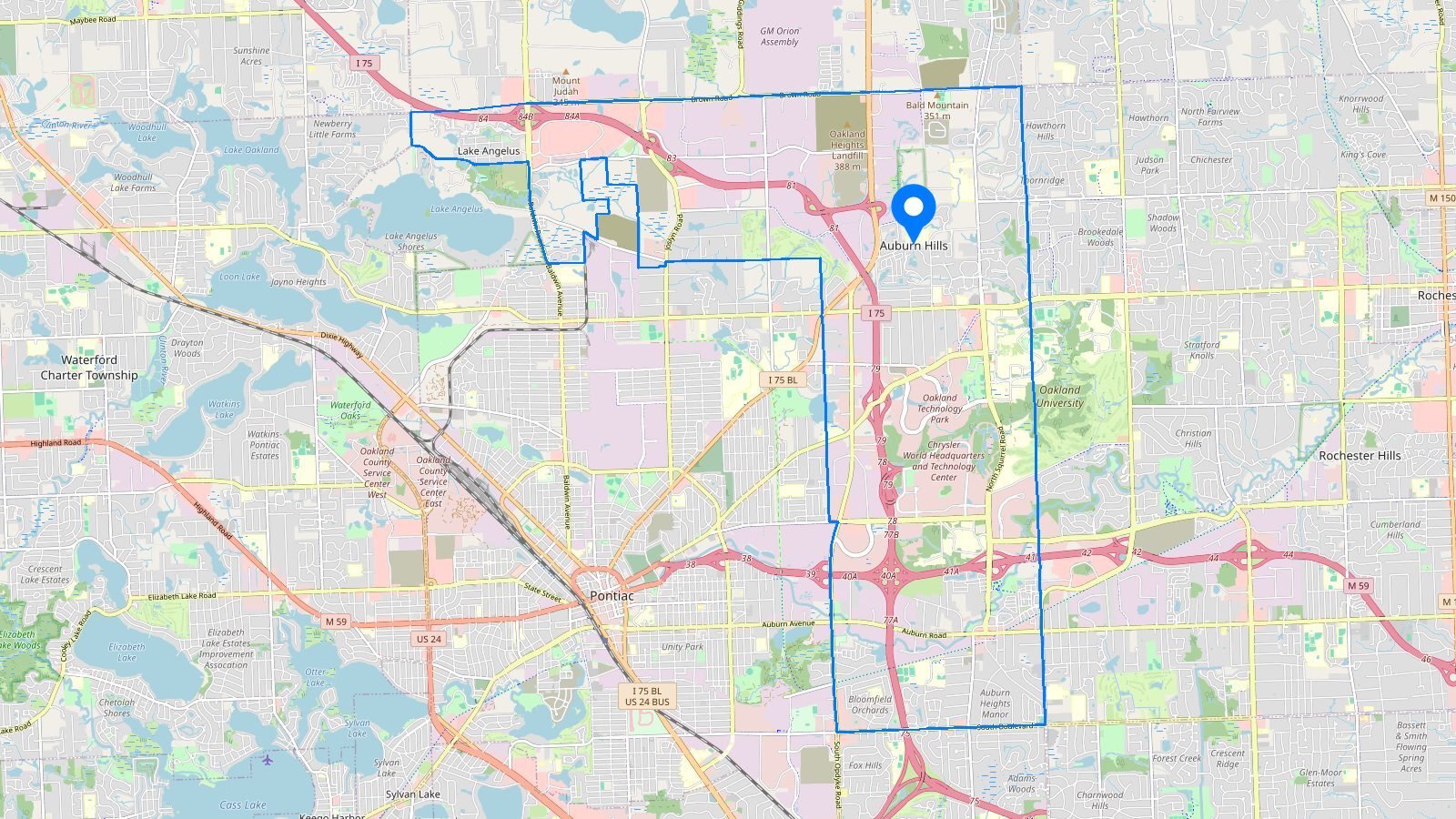
Fiber Optic Cabling in Auburn Hills, Michigan
Fiber optic cabling supports the connectivity behind your commercial security, life-safety, and communications systems. You get assessment, vendor-neutral design, clean installation, and ongoing service in Auburn Hills, Michigan.
- Division 27 and 28 project support
- Integrated system backbone connectivity
- Ongoing commercial service
Infrastructure That Supports Connected Commercial Systems
Fiber optic cabling helps your core commercial systems perform reliably across facilities and larger deployments. It supports the infrastructure behind security and communications technology.
Video Surveillance
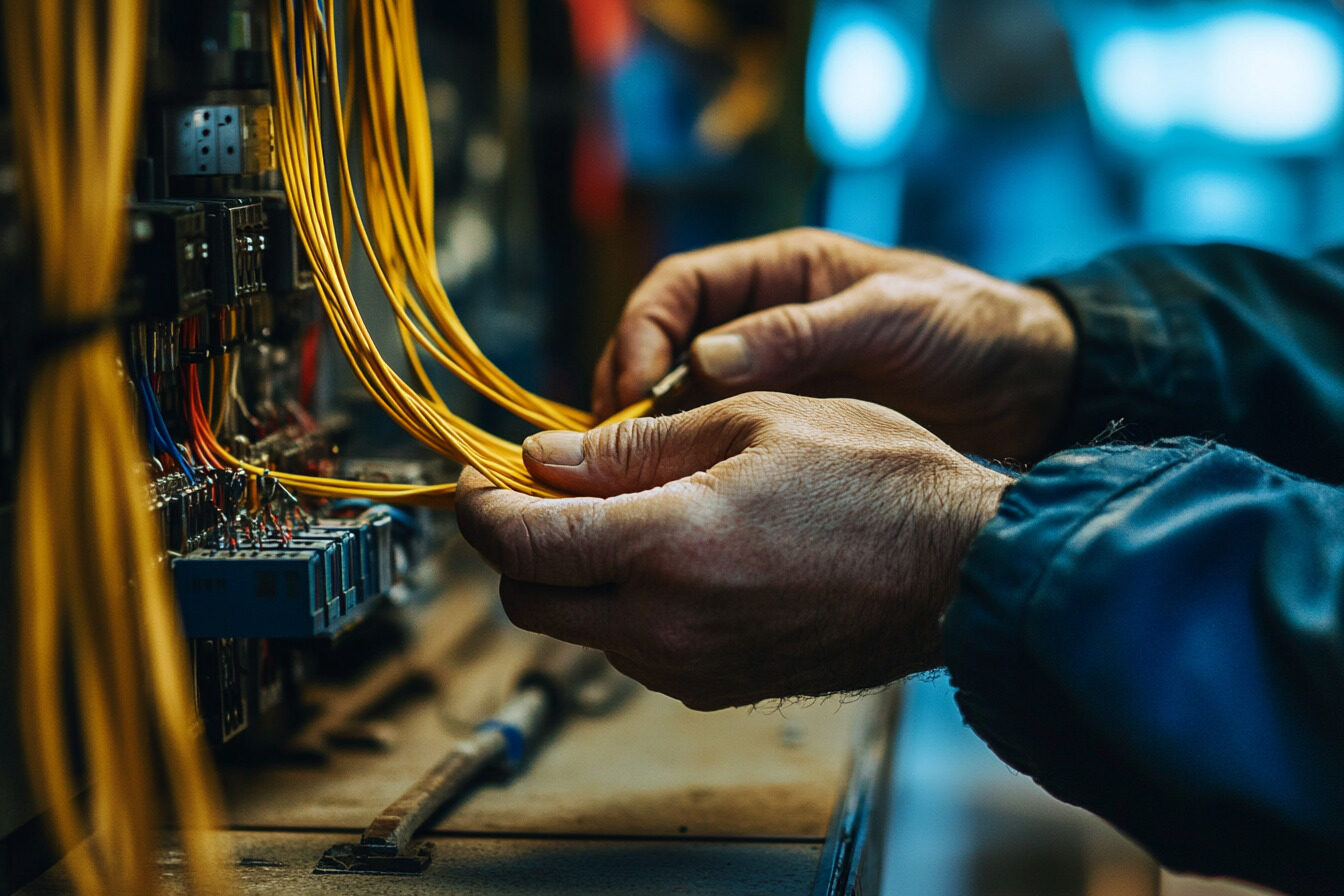
Fiber optic cabling supports connected camera systems and larger facility coverage. You get dependable backbone connectivity for surveillance performance and future expansion.
Access Control, Alarm, and Fire Systems
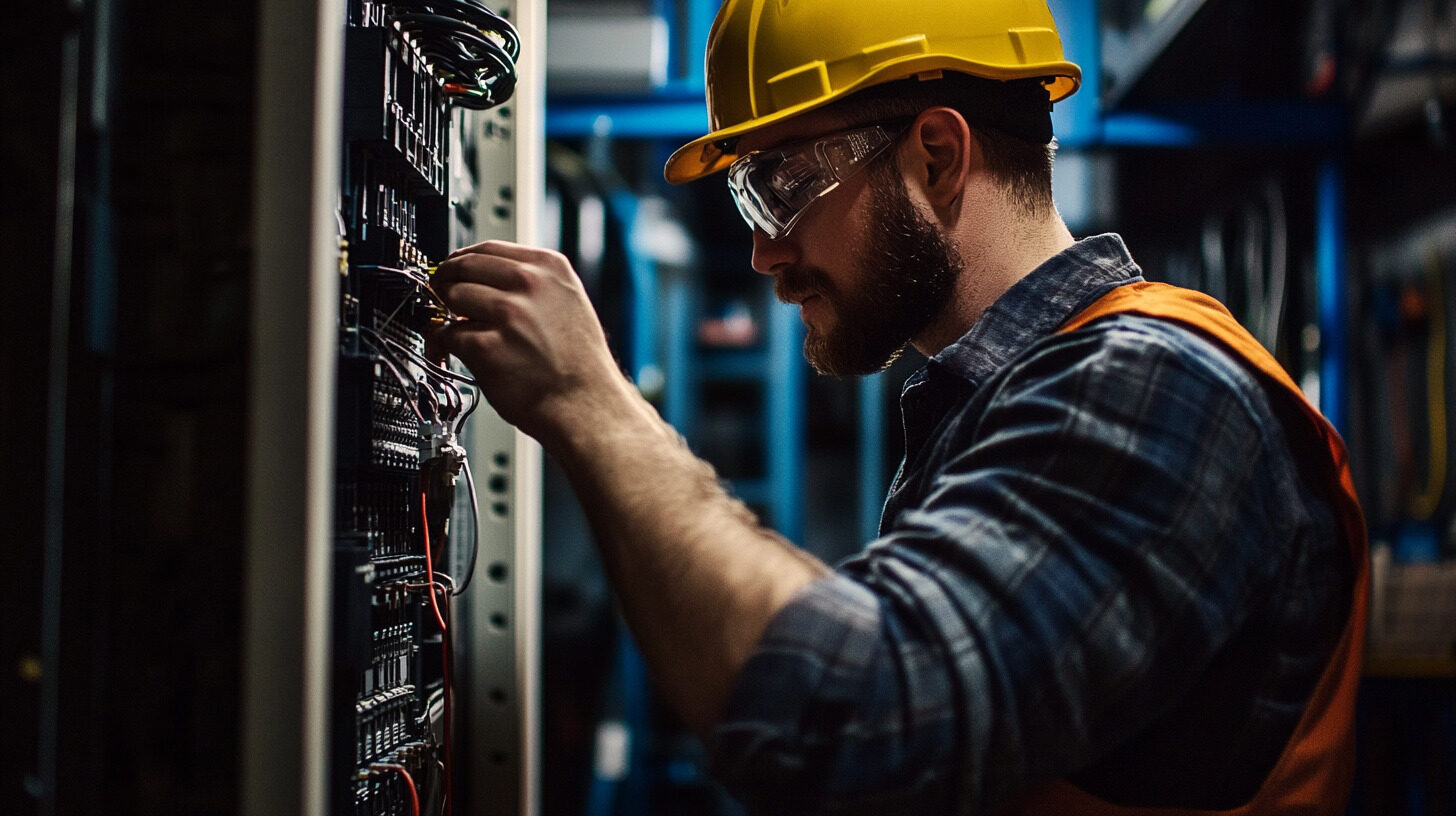
Critical security and life-safety systems need reliable connectivity. Fiber helps support coordinated performance across access control, intrusion alarm, and fire-related infrastructure.
Wireless Networks, Intercoms, and Other Infrastructure
Your broader communications and low-voltage systems work better with coordinated infrastructure. Fiber cabling helps connect intercoms, wireless networks, and related building systems.
Built for Commercial Projects, Retrofits, and Rollouts
Fiber optic cabling fits many commercial project types. It brings the most value when planned alongside the systems it will serve.
New Commercial Construction
Include supporting infrastructure early in your new build. You can plan backbone connectivity alongside security, life-safety, and communications systems.
Building Retrofits
Existing facilities often need updated backbone cabling. Fiber can improve organization, support newer systems, and fit renovation goals.
Security Upgrades
Expanded or modernized systems need stronger infrastructure. Fiber cabling supports integrated upgrades without treating connectivity as an afterthought.
Single-Building Projects
Focused work inside one facility still needs coordinated planning. You get cabling that supports present needs and future service.
Multi-Site Rollouts
Broader deployments benefit from standardization and consistency. Fiber infrastructure can support repeatable planning across multiple locations.
Integrator, Not Just Installer
Your cabling should support the end systems it serves. TIP understands integrated security and communications environments, not just cable pathways.
Long-Term Serviceability
Infrastructure should stay useful as your needs change. Planning supports future service, expansion, and compatibility over time.
When Fiber Optic Cabling May Be the Right Fit
Some facilities need better backbone connectivity, cleaner infrastructure, or simpler project coordination. These common situations often point to fiber cabling.
Expanding Connected Systems
Larger facilities often need stronger backbone connectivity. This becomes important when surveillance, access control, alarm, fire, or communications systems expand.
Renovating or Replacing Older Pathways
Retrofits and upgrades often reveal outdated low-voltage infrastructure. Fiber can support cleaner, more organized pathways for current system demands.
Simplifying Coordination
You may want one provider for systems and supporting cabling. That can reduce confusion and improve coordination across your commercial project.
How TIP Delivers Fiber Optic Cabling
You get the same company-wide process used across commercial projects. It keeps infrastructure planning practical, organized, and serviceable.
Assess
Your facility, goals, and system needs are reviewed first. This helps define the right infrastructure approach.
Design
You receive a vendor-neutral design based on your project scope. Planning stays focused on performance, serviceability, and compatibility.
Install
Installation is completed with attention to clean work and coordination. Your cabling is placed to support the systems it serves.
Service
Ongoing service helps support changes, troubleshooting, and future expansion. You have a partner after installation is complete.
This process applies whether your work is a single-building retrofit, a supporting infrastructure upgrade, or a multi-site rollout.
Why Commercial Clients Trust TIP
You need qualified support when infrastructure connects critical facility systems. These source-backed strengths help support that confidence.
Operating Since 2008
You benefit from long-term commercial experience. That background matters when infrastructure supports important building systems.
500+ Commercial Clients
Commercial systems have been designed, installed, and serviced across the region. You can expect experience with varied facility environments.
Dedicated Factory-Trained Technical Staff
Your project is supported by trained in-house personnel. That helps with consistent coordination, installation, and ongoing service.
Certifications Across 50+ Product Lines
Integrated environments often include different manufacturers and technologies. Broad certifications help support varied commercial system requirements.
These qualifications matter in commercial environments where people, property, and operations depend on reliable system infrastructure.
One Partner for Systems and Supporting Infrastructure
You get operational value from a commercial security integrator that can coordinate fiber optic cabling with the systems it supports.
Fewer Coordination Gaps
Using one partner can reduce fragmented responsibility. Your cabling and connected systems stay better aligned from planning through service.
Serviceable Over Time
Your infrastructure should support moves, adds, changes, expansions, and troubleshooting. Planning for serviceability helps protect long-term value.
Helpful on Commercial Job Coordination
General contractors and electricians can benefit from clearer low-voltage coordination. Fiber infrastructure can be handled within broader integrated systems scope.
Fiber optic cabling is part of TIP’s commercial integrated systems capability and supporting infrastructure work.
Talk With TIP About Fiber Optic Cabling
Talk through your fiber optic cabling needs for commercial security, life-safety, communications, retrofit, or rollout projects in Auburn Hills, Michigan. Call (888) 586-7040.