
Supporting infrastructure for integrated commercial security
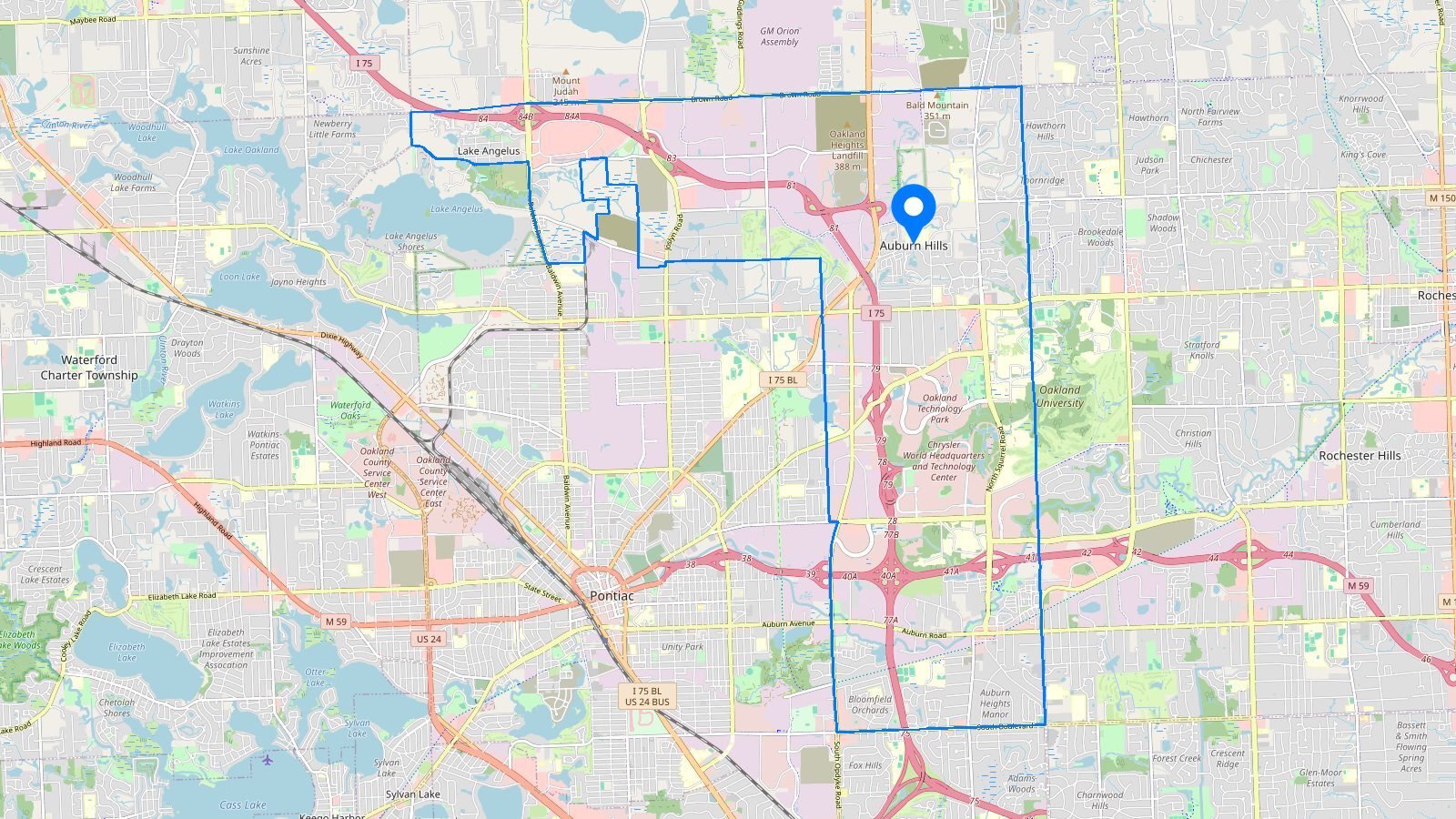
Enterprise Wireless Networks in Auburn Hills, Michigan
Your wireless network helps connected security technologies communicate reliably every day. In Auburn Hills, Michigan, you get integrated planning that lowers complexity and supports future growth.
- Enterprise Wireless Networks for Auburn Hills commercial facilities
- Supports connected security and building systems
- Reliable coverage with room to scale
Why enterprise wireless networks matter
Your network is a practical requirement when connected security and building systems need dependable day to day communication.
Reliable system communication
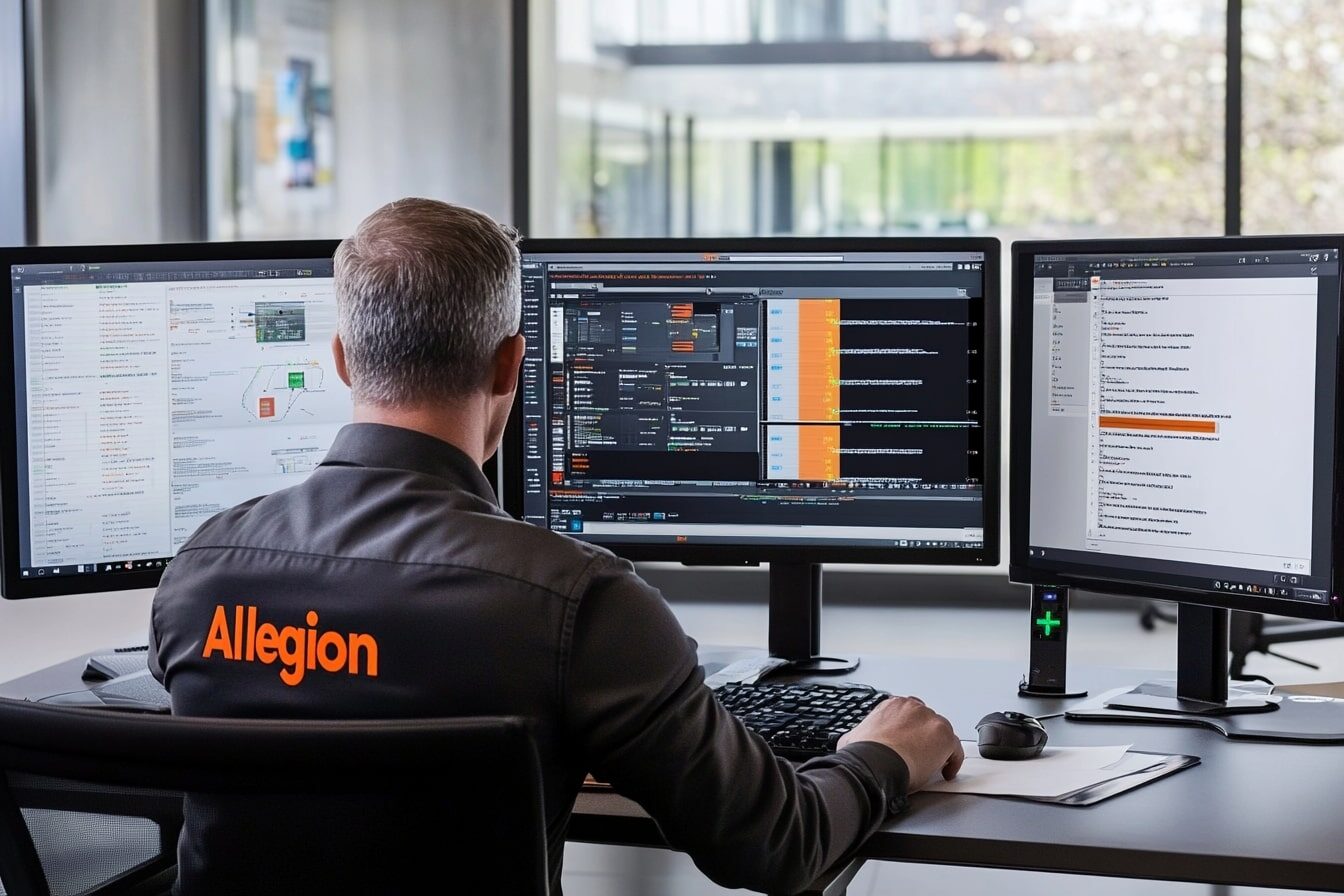
Your cameras, access control, alarms, and intercoms need stable wireless performance to stay connected across your facility.
Better daily operations
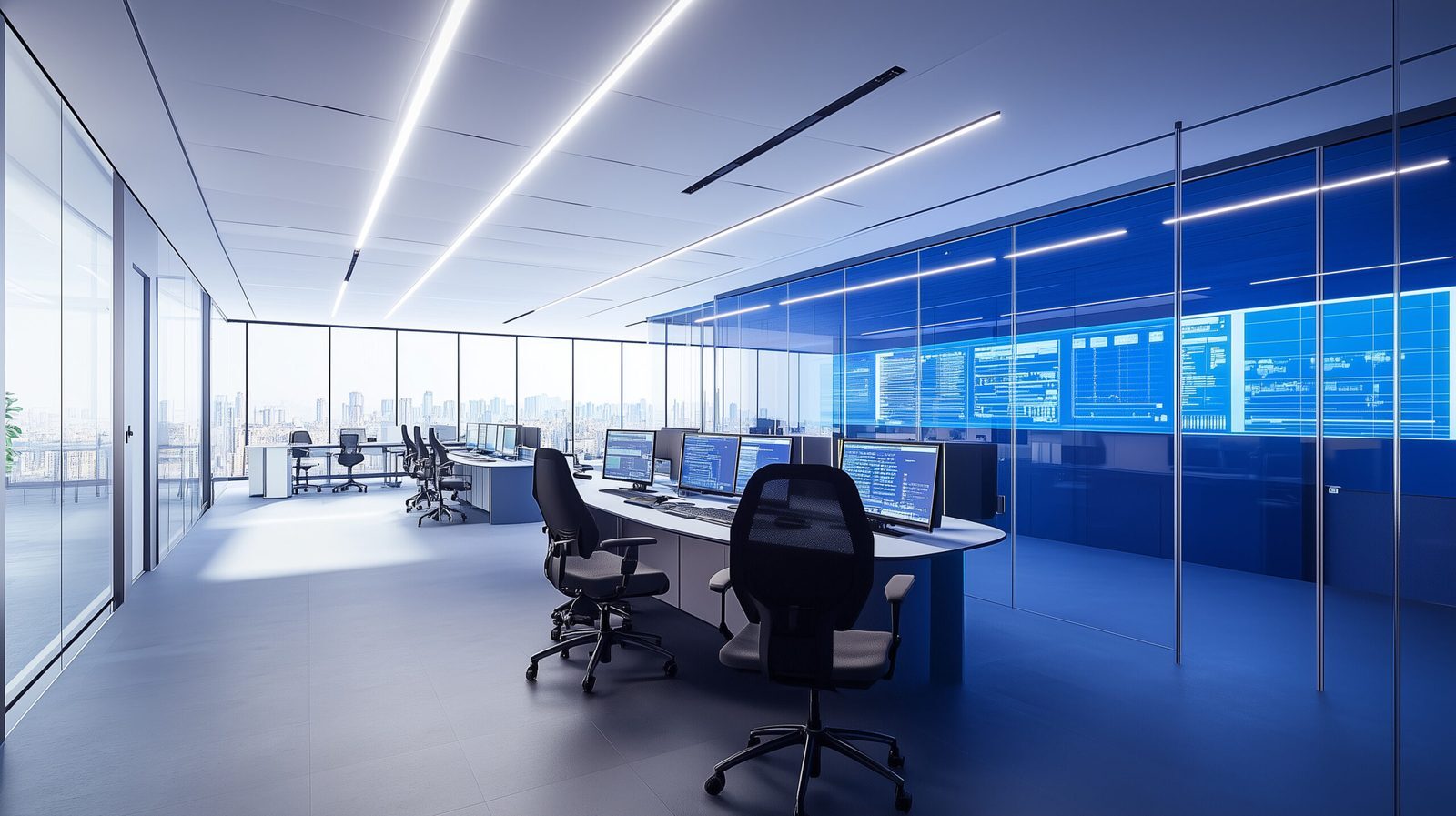
Your team depends on dependable connectivity for monitoring, alerts, reporting, and coordinated building responses without avoidable interruptions.
Ready for growth
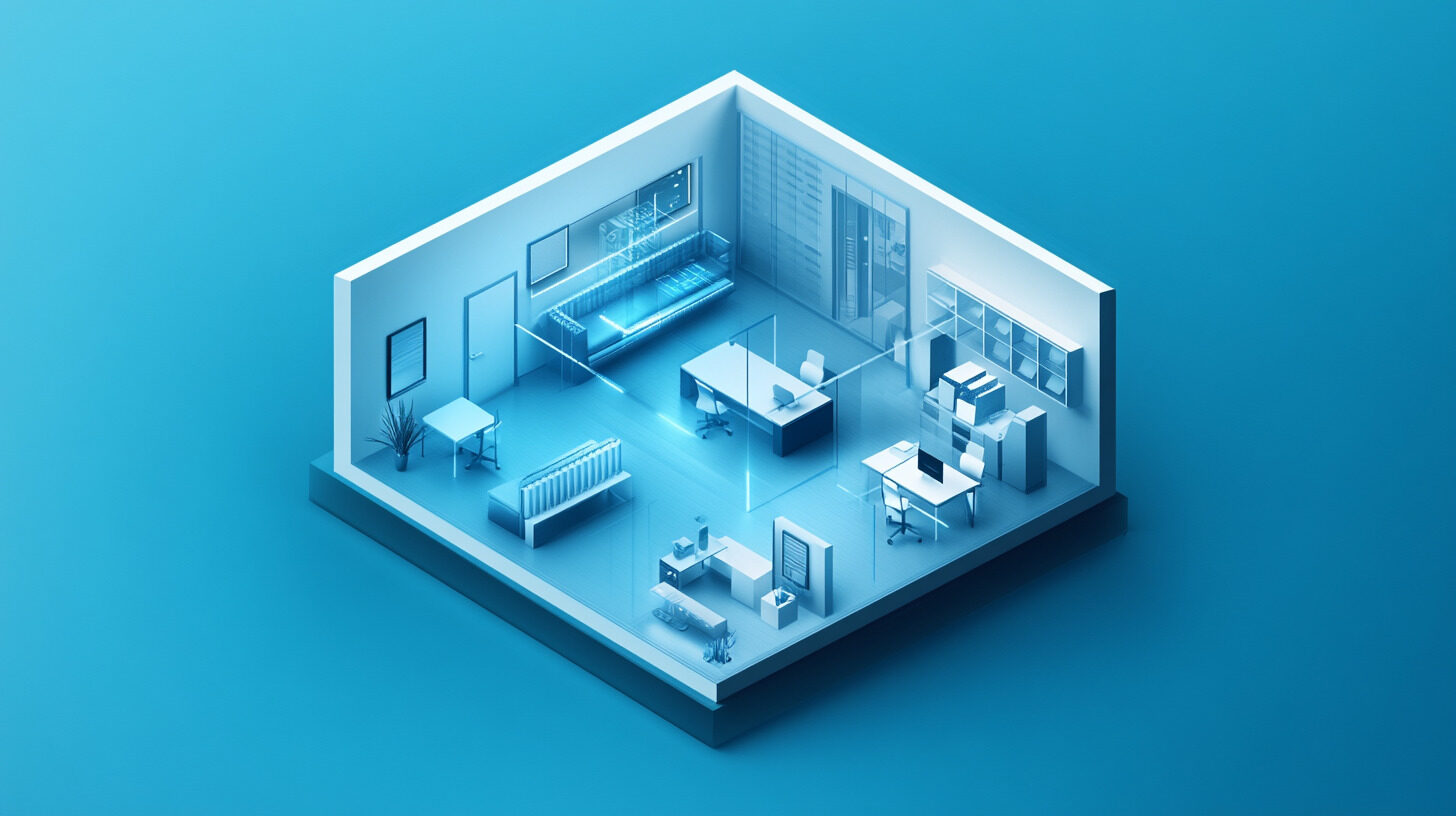
Your network should support added devices, changing layouts, and new security technology without constant workarounds or patchwork fixes.
Built for connected security environments
Your wireless infrastructure should be planned around real building applications and integrated system demands.
Access control connectivity
Your wireless environment should support readers, controllers, and related devices where dependable communication affects entry management.
Video surveillance support
Your cameras and viewing tools need consistent network performance to help reduce drops, delays, and coverage issues.
Alarm and notification links
Your alarm-related devices need reliable communication paths so important signals move where they should without added uncertainty.
Intercom and entry systems
Your intercoms, door stations, and visitor management tools work better when wireless coverage matches real building use.
Multi-area building coverage
Your facility may include offices, warehouses, common areas, and restricted spaces that need coordinated wireless planning.
Integration-first planning
Your wireless infrastructure is planned around connected security demands, not generic office use alone.
Vendor-neutral guidance
Your project can be aligned with existing systems, future upgrades, and practical facility goals.
Why work with one integrated partner
Your wireless layer is easier to manage when the same provider also designs, installs, and services your connected systems.
Less coordination on your side
Your team works with one partner that understands the network layer and the connected security systems using it.
Better operational alignment
Your wireless design can match how your facility actually runs, including security priorities, coverage needs, and device placement.
Simpler path to expansion
Your future upgrades are easier to coordinate when one integrated partner understands your environment from the start.
Our process
Your enterprise wireless network follows a clear path from requirements review through long-term support.
Assessment
Your project starts with a review of facility needs, connected systems, coverage goals, and existing conditions.
Design
Your network plan is built around device demands, building layout, performance goals, and long-term scalability.
Installation
Your solution is installed and coordinated to support dependable communication with minimal disruption to daily operations.
Ongoing Service
Your team gets continued support as needs change, devices expand, or adjustments are needed across the environment.
Keep step titles short; the layout provides the numbering.
Why Technology Install Partners
Your facility needs a partner with capabilities that support confidence in wireless network work inside connected environments.
Integrated commercial focus
Your wireless work is handled with connected security and life-safety environments in mind, not as a standalone IT task.
Technical field experience
Your project benefits from trained staff who understand installation conditions, system coordination, and on-site execution.
Manufacturer-aligned capabilities
Your facility can benefit from solutions supported by recognized manufacturer relationships and practical deployment knowledge.
Support for varied project sizes
Your needs may involve a single Auburn Hills building or a broader multi-site rollout with consistent coordination.
Keep this band credibility-focused and tied to stated company capabilities.
Signs you may need wireless network support
Your facility may benefit from an assessment when network conditions start limiting connected system performance.
Connectivity problems keep affecting systems
Your team may notice inconsistent device communication, weak coverage areas, or interruptions that affect daily security operations.
Wireless security devices are increasing
Your environment may be adding more connected cameras, access points, intercoms, or related devices than the network supports well.
Coordination has become too fragmented
Your facility may need one integrator to align network performance with security goals, upgrades, and service planning.
Keep the language diagnostic and practical, not alarmist.
Talk with TIP about enterprise wireless networks
If reliability, integration, and scalability matter in your Auburn Hills, Michigan facility, start a conversation about your wireless network needs.