
Commercial Emergency Notification
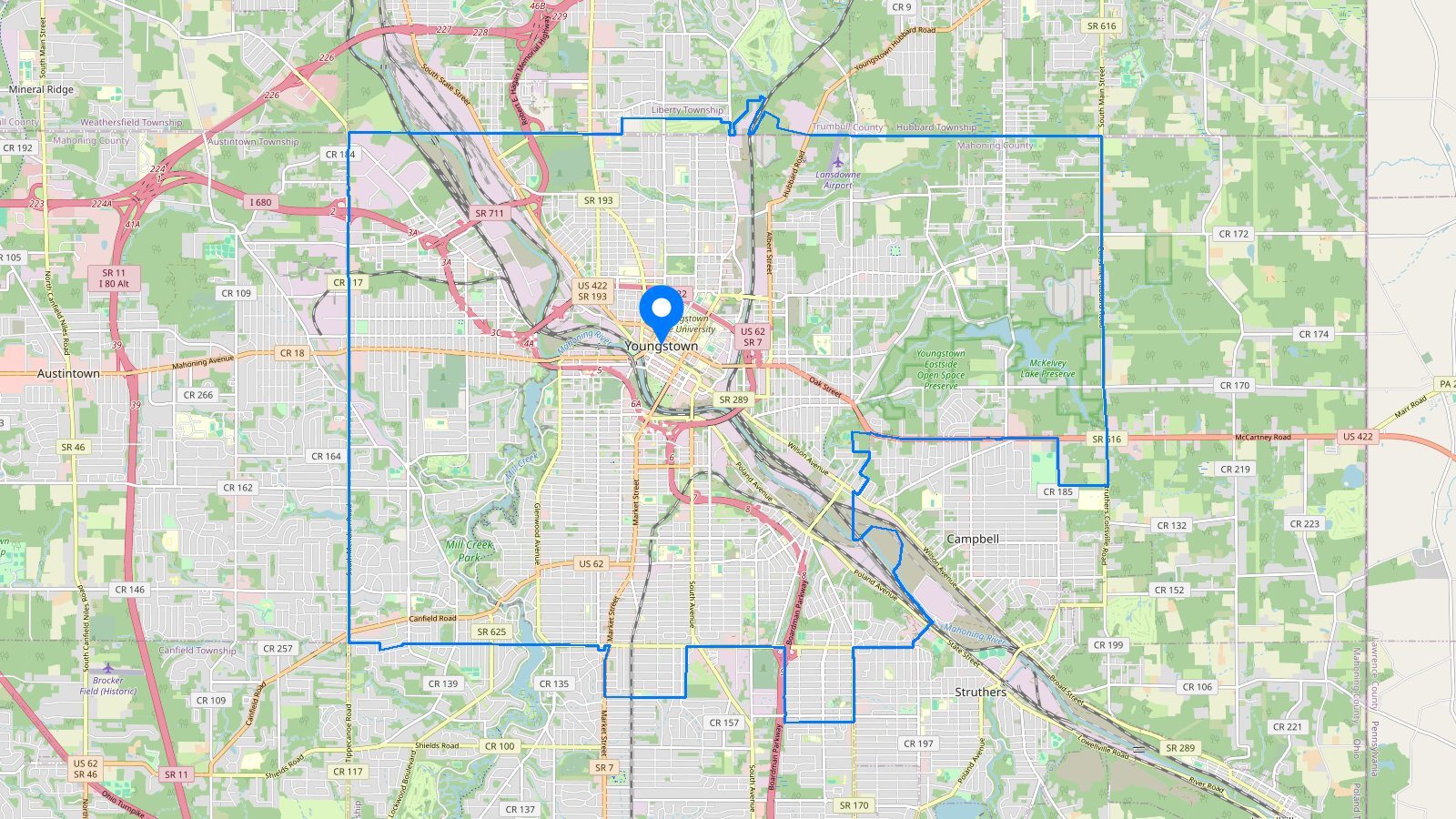
Emergency Communication Systems in Youngstown, Ohio
You need emergency messages to reach people fast across your facility. Emergency communication systems deliver clear alerts through one manageable platform in Youngstown, Ohio.
- Multi-channel alerts
- System integration
- Centralized control
Fast Emergency Notifications Across Multiple Channels
When seconds count, your message should go out at once through every needed communication path. That helps people receive instructions quickly and act sooner.

Voice and Visual Alerts
Your system can send live or prerecorded voice announcements and visual messages through displays for clear, immediate direction.

Direct Mobile and Phone Outreach
Alerts can also go out by text message, email, and phone call to reach staff, visitors, and occupants quickly.

Faster Reach When Seconds Matter
Sending the same urgent message across several channels helps maximize reach and reduce response time during an emergency.
Integrated Emergency Communication Systems
Emergency communication should not stand alone. Your system can connect with existing facility infrastructure for a more coordinated response.
Telephone System Integration
Connect with telephone systems to notify staff rapidly and deliver urgent information where it is needed most.
Public Address Integration
Tie into public address systems to broadcast facility-wide announcements with clear, immediate instructions.
Digital Signage Integration
Use digital signage for visual alerts that reinforce spoken messages and improve awareness in common areas.
Building Automation Integration
Link with building automation systems to support automated responses tied to specific emergency events.
Fire Alarm System Coordination
Coordinate with fire alarm systems for a more unified emergency response across your property.
Area of Rescue Assistance
These solutions support safe zones, site-specific customization, and ADA considerations for occupants needing assisted evacuation support.
Campus Emergency Phones
Outdoor emergency phones provide direct connection, high visibility, weather resistance, surveillance integration, clear audio, and LED illumination.
Who Benefits From Emergency Communication Systems
Many commercial properties need faster notifications and more coordinated response tools. These systems are especially valuable when coverage, speed, and integration matter.
Single-Method Alerting Limits Response
Facilities that rely on one communication method or cannot alert selected zones quickly often benefit from an upgrade.
Disconnected Systems Create Gaps
Properties with separate phone, PA, signage, automation, or fire alarm systems may need better coordination during emergencies.
Larger Sites Need More Coverage
Campuses and larger properties may need rescue assistance points or outdoor emergency phones to improve safety and response.
A Proven Project Approach
Emergency communication projects follow the same process used across integrated commercial security work. That gives you a clear path from planning through long-term support.
Assess
Your project starts with a review of risks, building layout, communication goals, and existing systems.
Design
A tailored solution is planned around your emergency communication needs and infrastructure integration requirements.
Install
Your system is installed for dependable performance, clean coordination, and consistent operation across connected platforms.
Service
Ongoing support helps keep your emergency communication system ready, updated, and working as intended.
Regular testing, service, and readiness checks help your system stay prepared after installation.
System Management and Control
Your platform should support real-time emergency response and daily oversight. Centralized control helps you act faster and manage system performance with confidence.
Broadcast From Authorized Devices
Authorized personnel can initiate emergency broadcasts from approved devices for faster action during critical events.
Target Specific Areas or Entire Facilities
You can send alerts to selected zones or across the whole property based on the situation.
Monitor Status in Real Time
Real-time system status helps you confirm performance and maintain awareness during an incident.
Document, Test, and Report
The platform supports communication records, routine testing, and activity reports for ongoing oversight.
Testing, monitoring, and reporting support preparedness, accountability, and better operational follow-through.
Why Work With Technology Install Partners
You need a partner with real experience in commercial security and life-safety systems. That background supports smarter planning, integration, and long-term service.
Trusted Since 2008
Commercial facilities have relied on this team for integrated protection solutions since 2008.
More Than 500 Commercial Clients
You benefit from experience built across more than 500 commercial client relationships.
Factory-Trained Technical Staff
Dedicated technical staff hold manufacturer certifications across 50+ product lines with a vendor-neutral design approach.
That experience helps you get integrated emergency communication systems designed, installed, and serviced with care.
Talk About Emergency Communication Systems for Your Facility
You can build a coordinated emergency communication solution that fits your facility and existing systems. Call to discuss faster notifications, better integration, and dependable support in Youngstown, Ohio.