
Supporting infrastructure for integrated commercial security
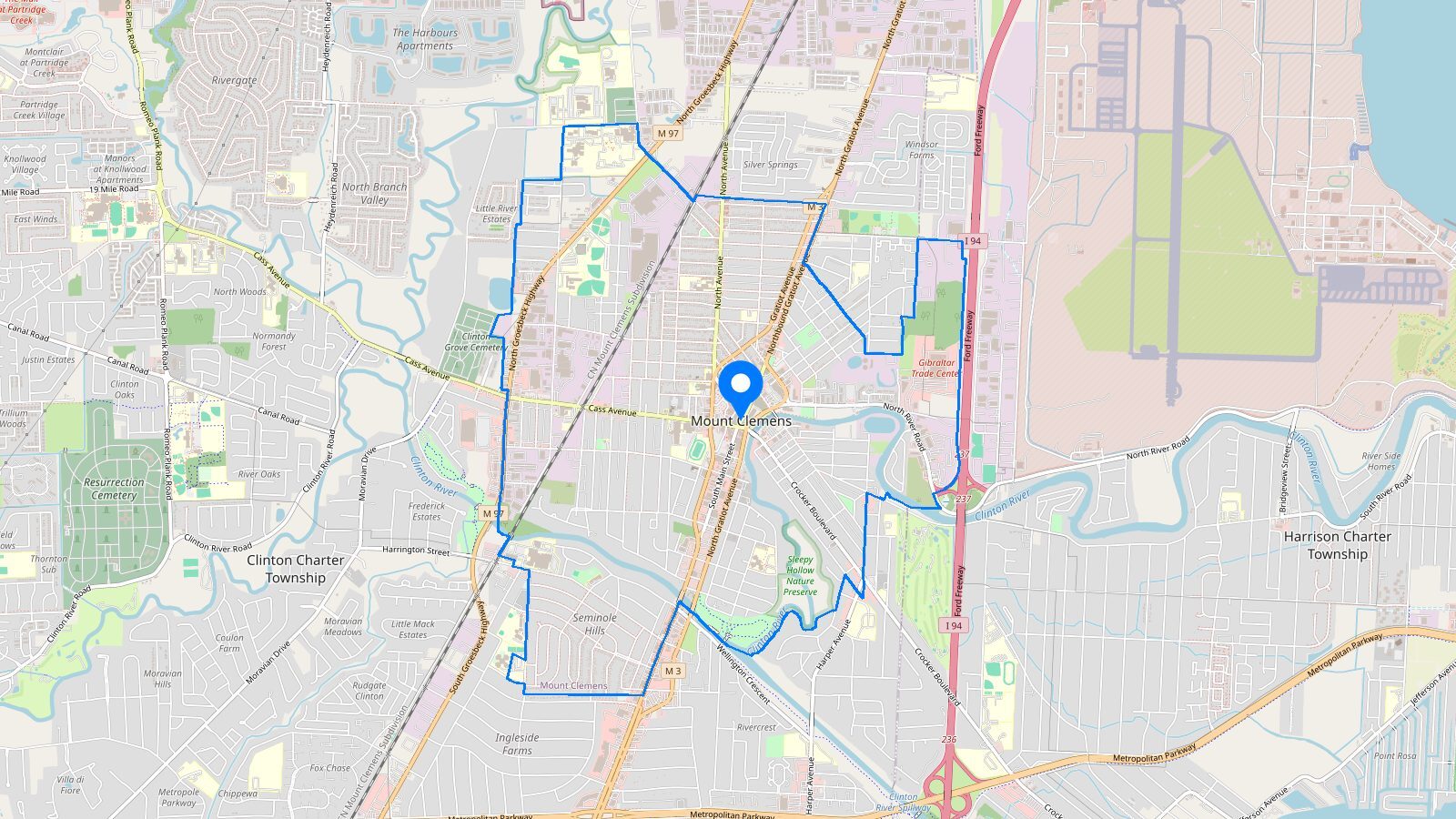
Enterprise Wireless Networks in Mount Clemens, Michigan
Your enterprise wireless network helps connected security and building systems communicate reliably. You get lower complexity, smoother integration, and room to scale across your Mount Clemens facility.
- Enterprise wireless networks for Mount Clemens commercial facilities
- Supports connected security, access, video, and building systems
- Planned for reliable coverage, simpler management, and future growth
Why enterprise wireless networks matter
Your facility needs dependable communication when connected security and building technologies operate every day. A well-planned network supports performance, uptime, and coordination.
Reliable daily communication
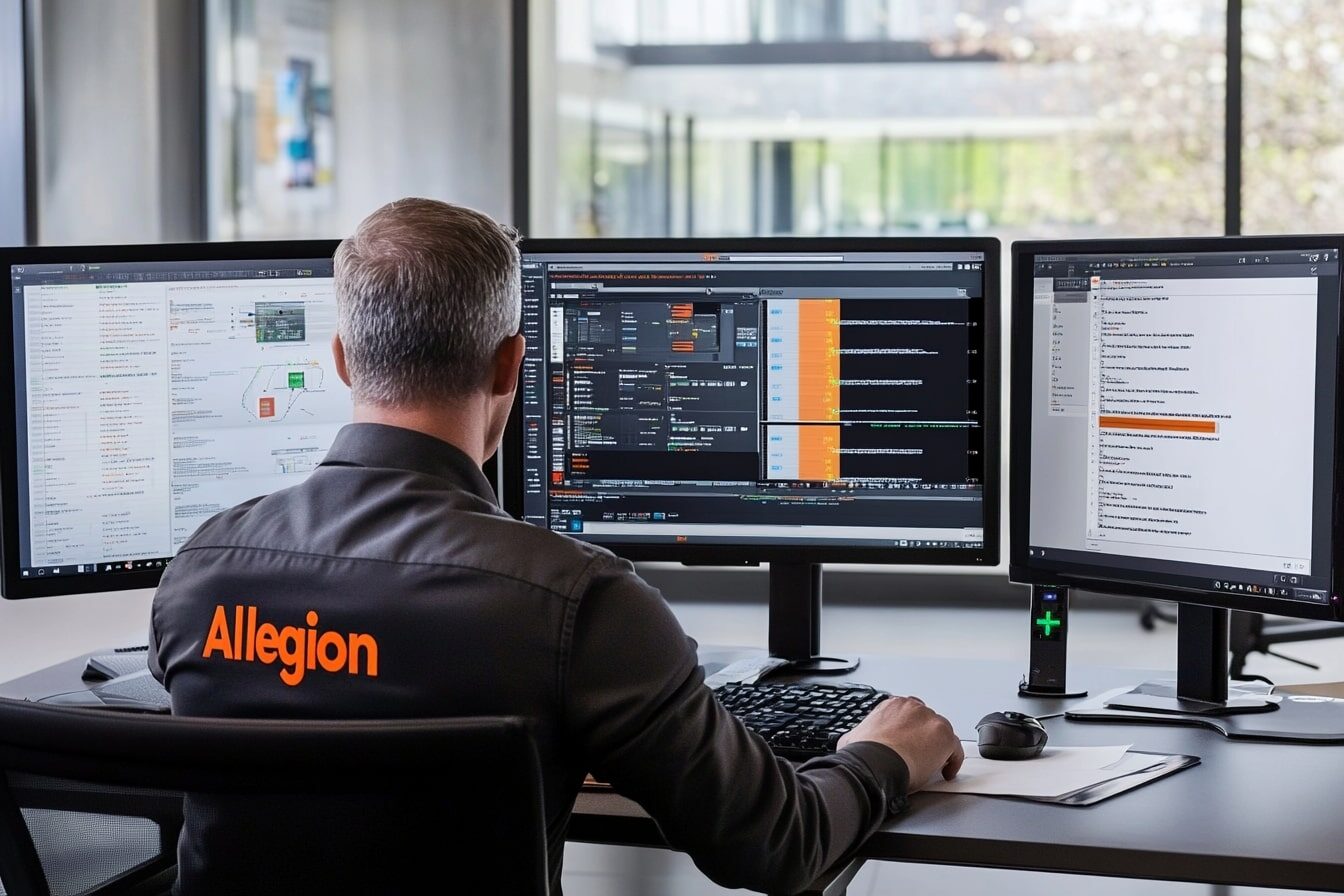
Your access control, cameras, alarms, and intercoms depend on stable wireless communication. A stronger network helps reduce interruptions and inconsistent device performance.
Support for connected systems
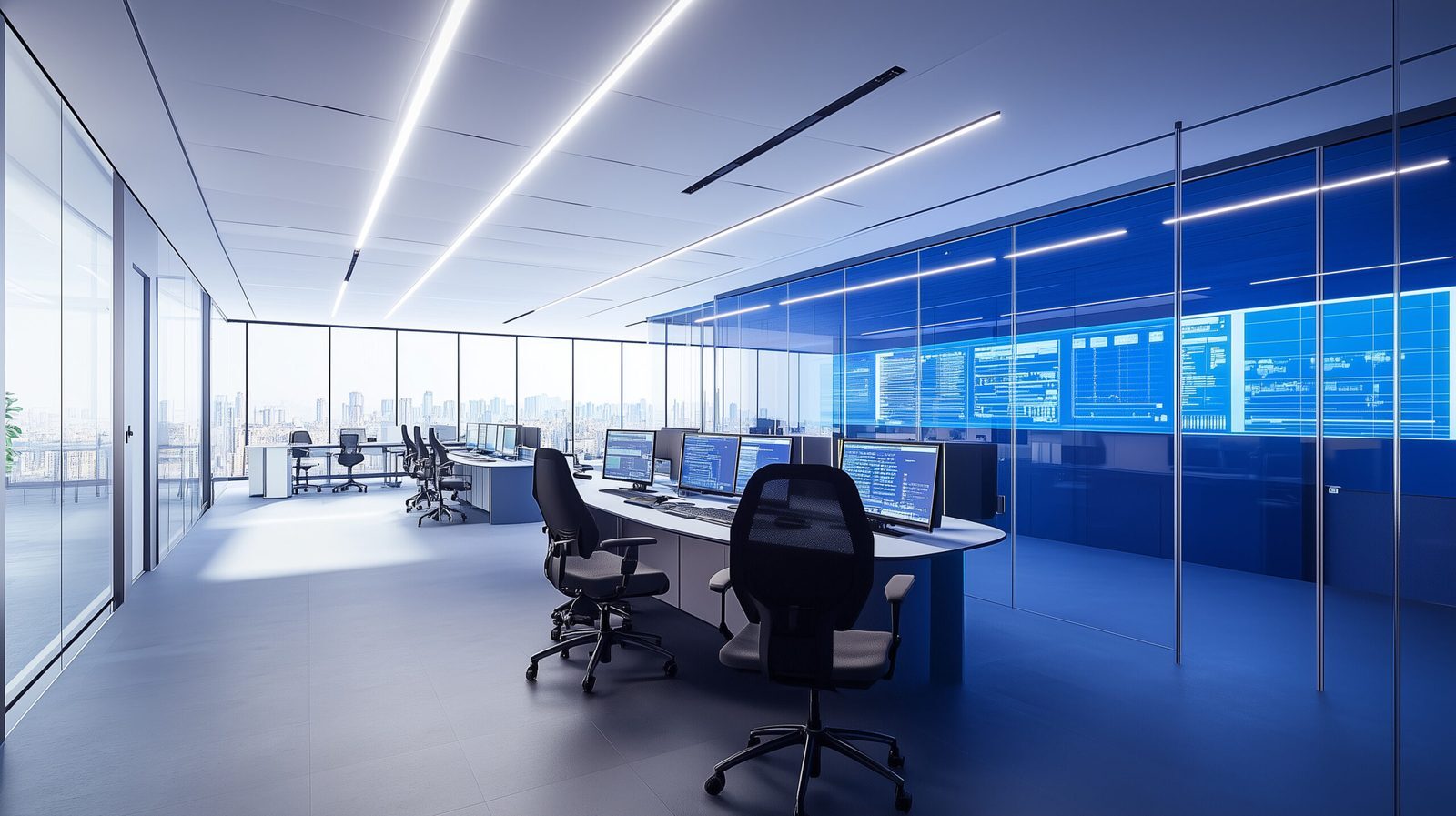
Enterprise wireless networks help your security and building technologies work together. That matters when multiple systems share data, alerts, and operational workflows.
Better readiness for growth
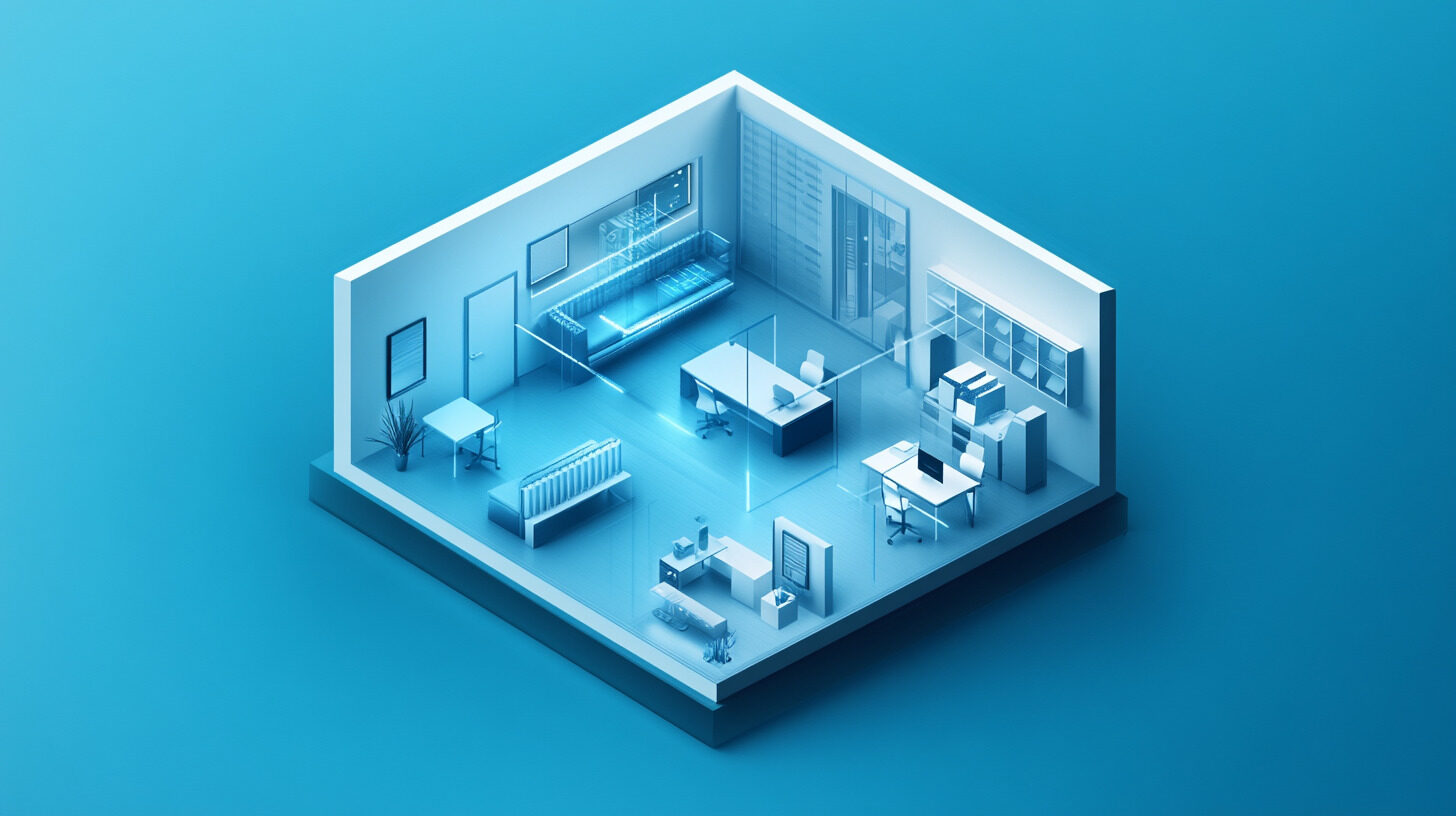
As your facility adds wireless devices, your network needs to keep up. Proper planning helps you expand without adding unnecessary complexity.
Built for connected security environments
Your wireless infrastructure should match real building applications and integrated system demands. It should do more than provide basic office connectivity.
Access control connectivity
Your wireless network can support connected door hardware, credential workflows, and remote management needs across commercial spaces.
Video surveillance support
Cameras and related monitoring tools need dependable communication. Strong wireless planning helps support coverage, device availability, and consistent system response.
Intrusion and alarm integration
Alarm events often need to move quickly between devices and platforms. A reliable network helps those signals travel with less disruption.
Intercom and entry communications
Visitor management and entry communication systems benefit from stable wireless performance. That supports clearer coordination at doors and controlled access points.
Building-wide connected devices
Your facility may use wireless devices across offices, common areas, and operational spaces. Network design should reflect real building use, not generic assumptions.
Integration-focused planning
Your network is planned around connected security and building applications. That helps align coverage and performance with how your systems actually operate.
Vendor-neutral approach
You get practical recommendations based on your environment and goals. That supports better decisions without forcing a one-size-fits-all platform.
Why work with one integrated partner
Handling the wireless layer through the same provider that supports your security and life-safety systems can reduce friction and improve coordination.
Less coordination for your team
You avoid managing separate providers for the network and the connected systems. That can simplify communication, scheduling, and issue resolution.
Better alignment with operations
When one partner understands your security environment, wireless decisions can better support your day-to-day operational needs.
Scalable long-term support
As your facility changes, your network and connected systems can evolve together. That helps you plan upgrades with fewer disconnects.
Our process
You get a clear path from requirements through long-term support. The process focuses on assessment, design, installation, and ongoing service.
Assessment
Your project starts with a review of facility needs, connected systems, coverage goals, and operational requirements.
Design
A wireless plan is developed around your building layout, device demands, integration goals, and expected future growth.
Installation
Your network components are installed and coordinated with related systems to support reliable performance across the environment.
Ongoing service
You have continued support as needs change, devices expand, or your facility requires updates and troubleshooting.
Step titles stay short because the layout provides numbering.
Why Technology Install Partners
You want confidence in enterprise wireless network work inside commercial security and life-safety environments. That confidence comes from practical capabilities and coordinated delivery.
Integration experience
Your wireless network work is handled with connected security and life-safety environments in mind. That supports more practical planning and coordination.
Technical project support
You benefit from trained technical staff who can assess requirements, coordinate installations, and support performance across commercial facilities.
Manufacturer-certified capabilities
Certified manufacturer relationships can help support dependable implementation practices and stronger alignment with supported technologies.
Single-site and multi-site readiness
Whether you manage one building or several locations, your rollout can be planned with consistency, scalability, and service continuity.
This section stays focused on credibility and stated capabilities.
Signs you may need wireless network support
There are practical indicators that it may be time to assess the network layer behind your connected systems. Early coordination can prevent bigger issues later.
Unreliable connected performance
If your devices drop connections, respond slowly, or work inconsistently, your wireless environment may need a professional assessment.
More wireless security devices
As you add cameras, access devices, intercoms, and sensors, your existing network may no longer fit your operational demands.
Too many separate providers
If networking and security teams are not aligned, projects can become harder to manage. One integrator can help coordinate the environment.
The language should stay practical and diagnostic.
Talk with TIP about enterprise wireless networks
If reliability, integration, and scalability matter in your Mount Clemens facility, start a conversation about enterprise wireless networks. Call (888) 586-7040.