
Commercial Life-Safety Infrastructure
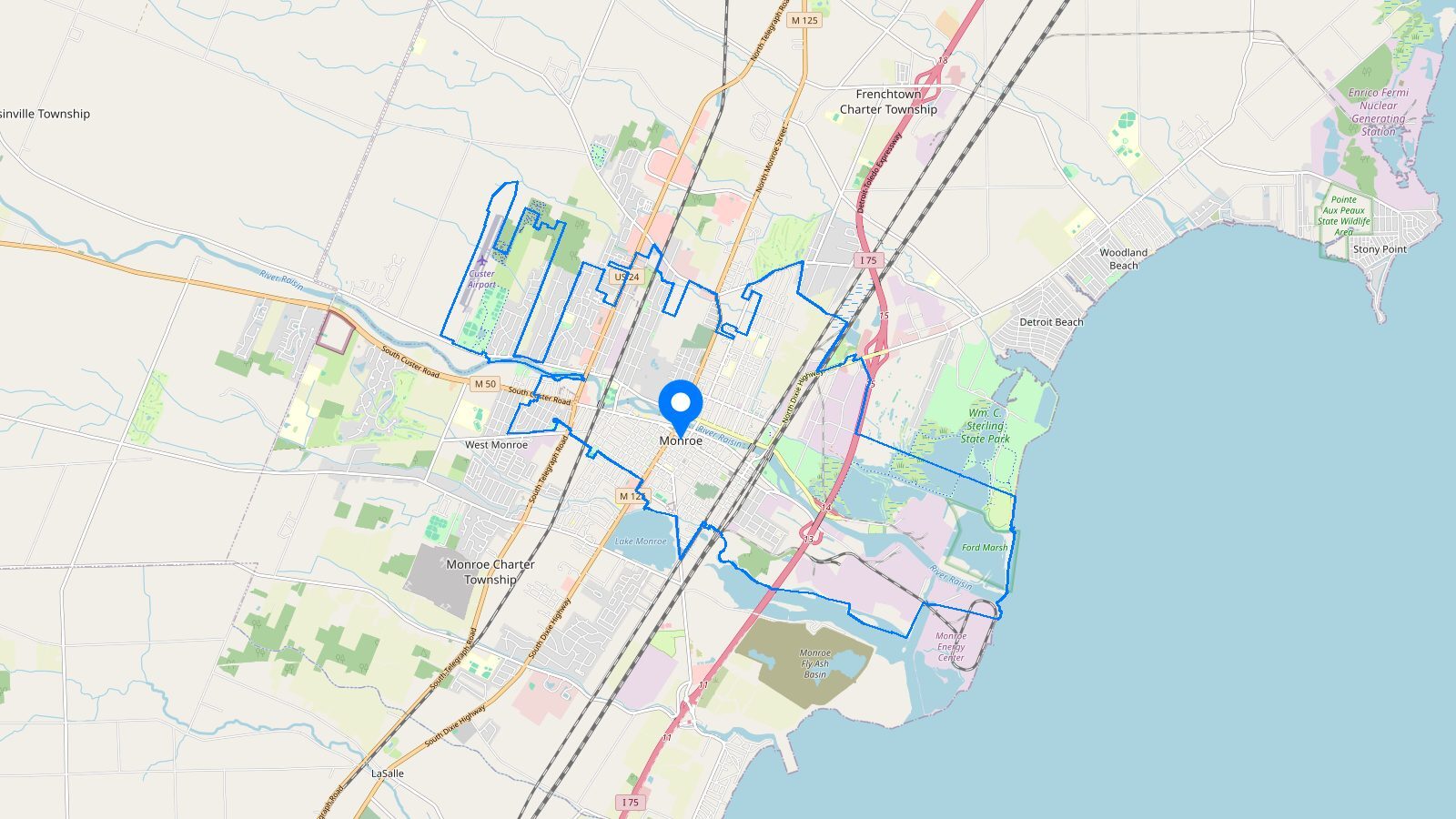
BDA and Distributed Antenna Systems in Monroe, Michigan
You need reliable in-building radio coverage when your facility cannot depend on outdoor signal alone. TIP supports Monroe, Michigan projects with BDA and Distributed Antenna Systems design, installation, testing, and service, backed by integrated security and life-safety experience since 2008.
- BDA and Distributed Antenna Systems for Monroe commercial buildings
- Stronger in-building radio coverage for life-safety communications
- Design, installation, testing, and ongoing service support
When a Building May Need BDA and Distributed Antenna Systems
Some commercial facilities in Monroe, Michigan need added in-building radio support to maintain dependable communications where building materials or layout reduce signal strength.

Weak signal inside the building
You may need BDA and Distributed Antenna Systems when radio signal drops in stairwells, basements, mechanical rooms, or interior areas.
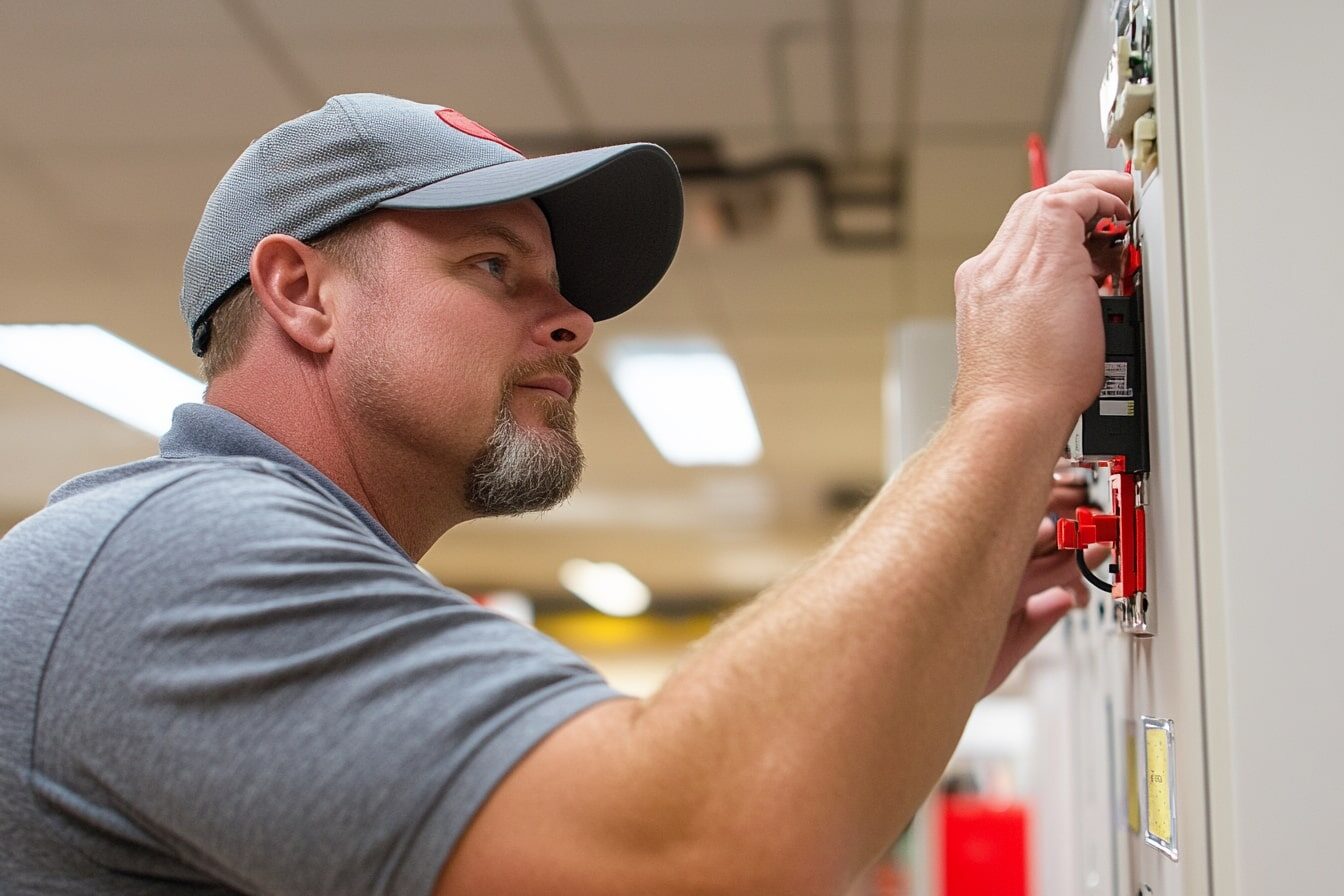
Large or complex commercial construction
Concrete, steel, low-e glass, and multi-level layouts can block signal strength and make dependable coverage harder to achieve.

Life-safety compliance concerns
If your project team identifies in-building communication gaps, you need a clear plan for assessment, design, and corrective work.
Built for Commercial Project Coordination
BDA and Distributed Antenna Systems work best when it is coordinated with the rest of your facility infrastructure. TIP helps you fit this scope into broader commercial construction, renovation, and technology projects.
New construction planning
You can address BDA and Distributed Antenna Systems early, before ceilings close and pathways become harder to coordinate.
Tenant improvements and remodels
Renovations often change wall layouts, equipment rooms, and coverage patterns that affect radio performance inside the building.
Facility expansions
When your building footprint grows, your existing communications support may no longer cover every occupied or critical area.
Multi-trade project coordination
You need a partner that can work with contractors, electricians, and facility teams without slowing down the larger project.
Occupied building upgrades
System work in active facilities requires careful scheduling, clean execution, and communication that respects your operations.
Broader low-voltage and life-safety experience
You benefit from a team that understands how this scope fits alongside security, access control, fire alarm, and related systems.
Single-partner accountability
You get clearer communication when one commercial technology partner helps guide design, installation, testing, and follow-up service.
Why Work With Technology Install Partners
You need more than equipment. You need a dependable commercial partner that can plan carefully, execute cleanly, and stay involved when support is needed later.
Commercial experience that supports planning
You get a partner that understands active job sites, project schedules, documentation needs, and life-safety expectations.
Technical depth without added confusion
You receive practical guidance on coverage needs, equipment placement, and coordination issues without being buried in jargon.
Service that continues after installation
Your system support should not end at turnover. TIP remains available for maintenance, adjustments, and future facility needs.
A Consistent Process for BDA and Distributed Antenna Systems
TIP follows a clear four-phase approach across services so you have a predictable experience from planning through ongoing support.
Consultation
You start with a review of your facility, project conditions, goals, and communication challenges to define the right path.
Design
Your solution is planned around building conditions, coverage needs, coordination requirements, and long-term serviceability.
Installation
Your system is installed with attention to workmanship, scheduling, and coordination with the rest of the project team.
Support
You continue to have help after installation through service, troubleshooting, and system adjustments as your facility changes.
You are supported from early planning through long-term service, not left managing separate phases on your own.
Integrated With Related Building Systems
BDA and Distributed Antenna Systems rarely stand alone. TIP helps you coordinate this work with adjacent building technologies and construction scopes.
Fire alarm and life-safety coordination
Your BDA and Distributed Antenna Systems scope can be planned alongside other life-safety infrastructure to reduce conflicts.
Security and access control awareness
Coverage equipment, cable routes, and device locations should align with nearby security systems and building access plans.
Structured cabling and pathways
You gain cleaner execution when pathways, head-end spaces, and low-voltage infrastructure are coordinated from the start.
Construction team communication
Your project moves more smoothly when one partner works closely with owners, facility managers, electricians, and general contractors.
You can simplify scheduling and communication when one commercial technology partner supports multiple connected systems.
Who This Service Fits Best
BDA and Distributed Antenna Systems is a strong fit for Monroe, Michigan commercial clients who need reliable coverage, clear coordination, and practical guidance.
Facility directors and property teams
This service fits you when you need dependable in-building communications support without managing every technical detail yourself.
General contractors and electricians
You benefit when a responsive partner can coordinate this specialty scope within broader commercial construction timelines.
Owners improving life-safety readiness
You get a practical path forward when your building needs stronger radio coverage and long-term support.
You can expect straightforward communication, operational awareness, and support focused on real facility needs.
Talk With TIP About BDA and Distributed Antenna Systems
If you need assessment, design, installation, or ongoing service for in-building radio coverage, contact TIP at (888) 586-7040.