
Commercial infrastructure service
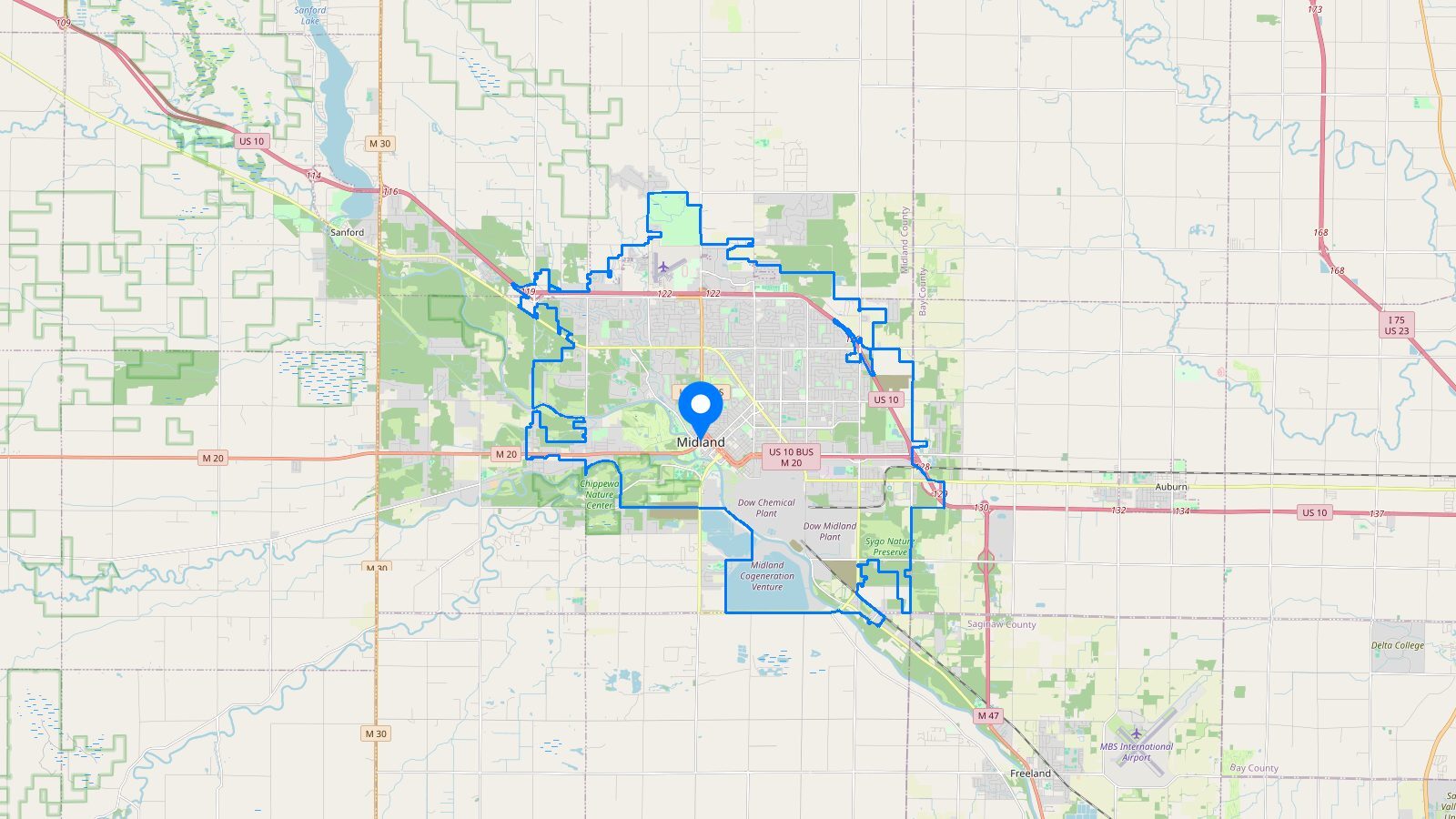
Structured Cabling in Midland, Michigan
Your facility needs organized cabling that supports daily operations and future growth. TIP handles the technical burden through assessment, vendor-neutral design, clean installation, and ongoing service. You get professionally installed infrastructure backed by integrated security and life-safety experience.
- Structured Cabling for Midland commercial facilities
- Supports security, network, and life-safety systems
- Assessment, design, installation, and ongoing service
Structured cabling that supports connected commercial systems
TIP provides structured cabling as part of supporting infrastructure work for commercial facilities. You get the physical backbone needed for integrated technologies across your site.
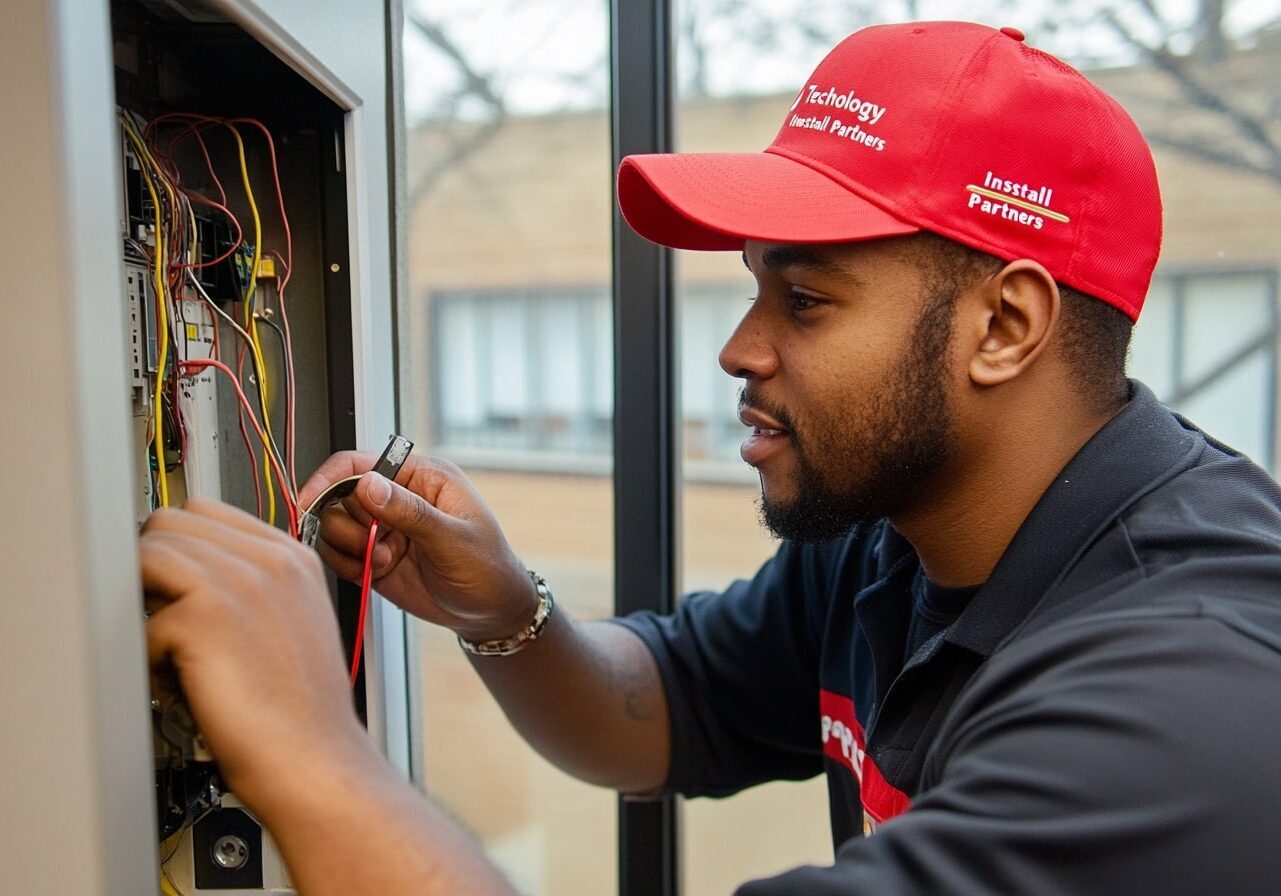
Physical backbone for connected systems
Structured cabling creates the organized pathways your commercial systems rely on. It supports reliable connections across security, communications, and operational technologies.

Fits Division 27 and 28 scope
Your project may need low-voltage infrastructure that aligns with communications and electronic safety work. TIP helps keep that scope coordinated and clearly defined.

Built for commercial environments
Your cabling should match your building layout, equipment needs, and long-term plans. TIP installs clean, labeled infrastructure that is easier to manage later.
When Structured Cabling is the right fit
Structured cabling is often the right choice when your commercial facility needs dependable infrastructure for security and life-safety systems.
New construction projects
You need organized low-voltage infrastructure planned before walls close and spaces turn over. Early coordination helps your systems start on a stronger foundation.
Renovations and tenant improvements
Your updated space may need new cable routes, drops, and support for changing technology needs. Structured cabling helps keep upgrades organized and scalable.
Security system expansion
Adding cameras, access control, or intrusion devices often requires dependable supporting infrastructure. Proper cabling helps those systems perform as intended.
Multi-building or campus connectivity
Your site may need consistent cabling standards across several buildings or departments. Structured planning improves organization and simplifies future service.
Aging or disorganized cable runs
Messy, undocumented cabling can slow repairs and create confusion during changes. A structured approach gives your team a cleaner starting point.
Supports integrated building technology
Your systems work better when the underlying infrastructure is planned together. That reduces coordination issues across security, network, and life-safety scope.
Improves long-term serviceability
Organized installation makes moves, adds, and troubleshooting easier later. You save time when your team can identify and service connections clearly.
Why commercial teams choose TIP for Structured Cabling
TIP supports confidence through commercial experience, disciplined delivery, and a service model built around your facility needs.
Integrated systems perspective
Your cabling partner should understand how infrastructure supports the systems connected to it. TIP brings experience across commercial security and life-safety work.
Vendor-neutral planning
You get recommendations built around your facility and project goals. That helps your design stay practical, flexible, and easier to maintain.
Professional delivery and support
Your project benefits from a consistent process, organized installation, and follow-through after completion. TIP helps you plan for both turnover and long-term service.
How TIP delivers Structured Cabling
TIP follows a consistent, professional process from planning through long-term support.
Assessment
Your project starts with a review of site conditions, goals, existing infrastructure, and system requirements. That helps define the right path forward.
Design
You receive a vendor-neutral cabling plan shaped around your facility, devices, pathways, and future growth. Coordination stays focused on practical use.
Installation
Your cabling is installed cleanly and professionally with attention to organization, labeling, and jobsite coordination. The goal is dependable performance and easier service.
Service
You have ongoing support for adjustments, troubleshooting, and future expansion. That helps your infrastructure keep pace as your building changes.
You get the same process for single-building retrofits and multi-site rollouts.
What clients want from a structured cabling partner
Commercial clients and project teams expect practical execution, clear coordination, and support that lasts beyond installation.
One point of responsibility
You want a partner who can carry the low-voltage infrastructure scope clearly. That helps reduce confusion between trades and project stakeholders.
Facility-driven design
Your building, operations, and system goals should shape the cabling plan. A tailored design supports better usability and future flexibility.
Organized installation
You need clean routing, clear labeling, and orderly execution. That makes turnover smoother and future maintenance less disruptive.
Long-term support
Your infrastructure should stay useful after the initial project ends. Ongoing service helps you handle changes, additions, and troubleshooting with confidence.
These expectations matter because dependable cabling supports the performance of your security and life-safety systems.
Built for commercial facilities and project teams
Structured cabling is built for the commercial clients and construction partners TIP already supports every day.
Business owners and operators
You need infrastructure that supports daily operations without creating avoidable service issues later. Structured cabling helps protect that investment.
Facility and property leaders
Your team needs organized systems that are easier to manage, document, and expand. A structured approach supports smoother maintenance over time.
General contractors and trade partners
You need low-voltage scope handled correctly and coordinated with the rest of the project. TIP helps reduce friction during planning and installation.
TIP serves commercial facilities across Ohio, Michigan, and Indiana.
Talk with TIP about Structured Cabling
If your facility or project team needs structured cabling tied to security, life-safety, retrofit, expansion, or multi-site work, call to discuss your needs.