
Supporting infrastructure for integrated commercial security
Enterprise Wireless Networks in Mentor, Ohio
Your wireless network helps connected security and building systems stay online and responsive. In Mentor, Ohio, you get infrastructure planned for integration, lower complexity, and room to scale.
- Enterprise Wireless Networks for Mentor commercial facilities
- Reliable support for connected security systems
- Scalable coverage with simpler long-term management
Why enterprise wireless networks matter
Your facility depends on dependable communication when connected security and building systems operate all day. The right wireless network supports stable performance where it matters.
Dependable Daily Communication
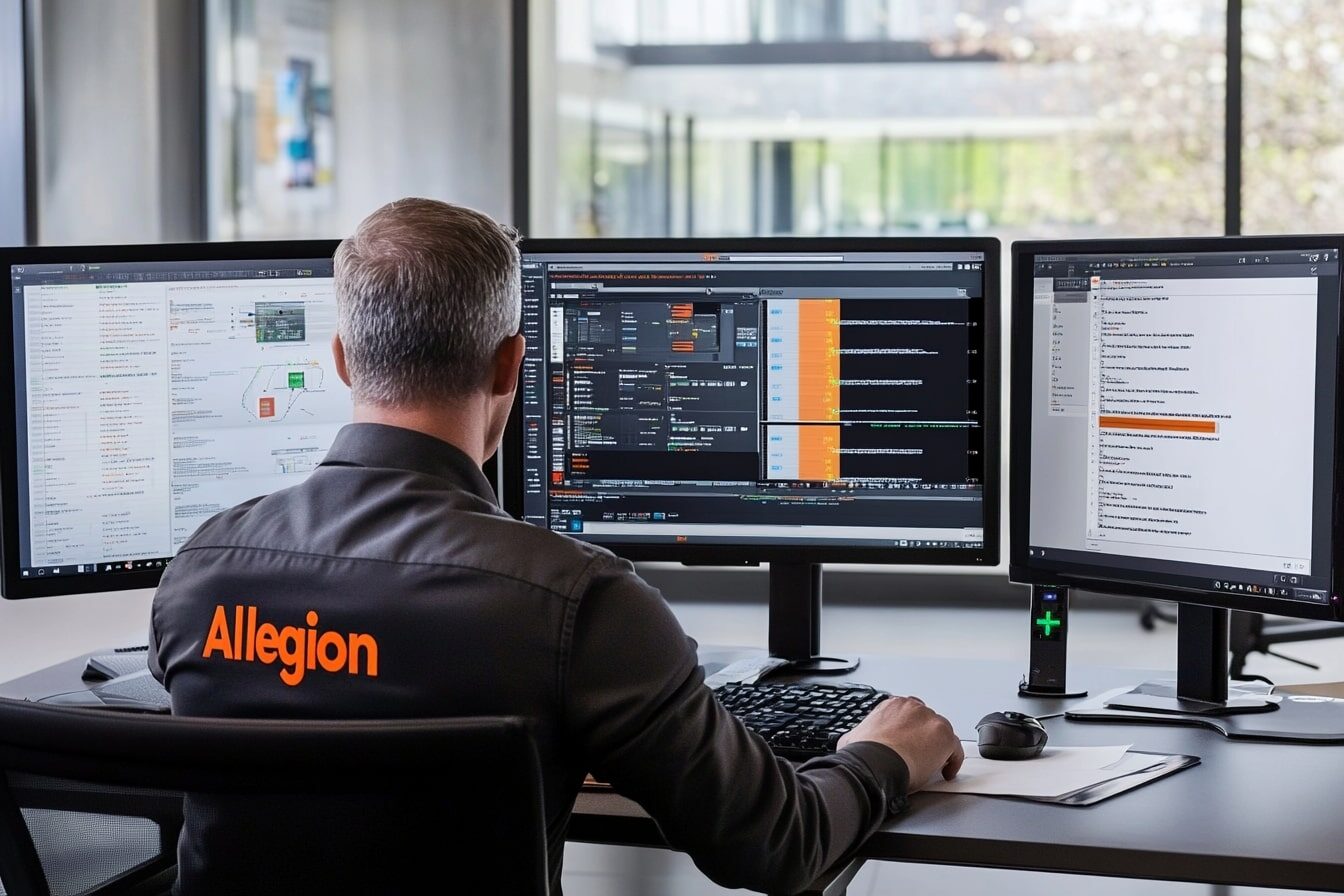
Your access control, cameras, alarms, and intercoms need steady communication every day. A strong wireless network helps reduce interruptions and performance gaps.

Support for Connected Devices
As your facility adds wireless devices, your network must handle more traffic without creating blind spots. Good planning helps keep systems responsive.
Better Operational Continuity
When your network is aligned with building operations, troubleshooting becomes easier. Your team spends less time managing separate systems and vendors.
Built for connected security environments
Your wireless infrastructure should match how connected security systems work in real buildings. Planning starts with your applications, coverage needs, and operational demands.
Access Control Connectivity
Your doors, credentials, and readers need reliable communication across the property. Wireless planning helps support secure, consistent access events.
Video Surveillance Support
Your surveillance environment needs stable connections for cameras, viewing, and management tools. Coverage and capacity planning help reduce weak links.
Alarm and Life-Safety Coordination
Connected alerting systems need dependable paths for communication. Your network should support those devices without competing priorities causing avoidable issues.
Intercom and Entry Systems
Your entry communication systems work best when network performance stays consistent. Proper infrastructure helps visitors, tenants, and staff connect without delays.
Growth Across the Facility
Your building may add devices, users, and applications over time. A scalable wireless design helps you expand without rebuilding everything later.
Integration-Driven Planning
Your network is planned around actual security and building uses, not generic office assumptions. That helps support performance where connected systems depend on it.
Vendor-Neutral Recommendations
You get guidance based on your environment, goals, and existing systems. That gives you flexibility as your facility changes in Mentor, Ohio.
Why work with one integrated partner
You benefit when the same provider supports your wireless layer and connected security environment. That can reduce friction and improve long-term coordination.
Less Coordination for Your Team
When one partner handles security and the wireless layer, your team has fewer handoffs to manage. That can simplify planning, installation, and support.
Better Alignment With Operations
Your network decisions can reflect how your security systems actually function. That helps avoid disconnects between infrastructure and day-to-day building use.
Easier Future Expansion
As your facility grows, integrated planning can make changes more predictable. Your upgrades are easier to coordinate across connected systems.
Our process
Your enterprise wireless network follows a clear path from planning through support. That helps keep your project organized and easier to manage.
Assessment
Your project starts with a review of facility needs, connected systems, coverage goals, and site conditions in Mentor, Ohio.
Design
Your wireless network plan is built around device demands, integration needs, and practical expansion goals for the property.
Installation
Your system is installed and coordinated to support dependable communication across connected security and building technologies.
Ongoing Service
Your team can get continued support as needs change, devices expand, or performance questions come up over time.
Keep step titles short; the layout provides the numbering.
Why Technology Install Partners
You want confidence that your wireless network work fits the demands of commercial security and life-safety environments. The right partner helps align infrastructure with those systems.
Integrated Security Experience
Your wireless network is supported by a company focused on commercial security and life-safety environments, not just general connectivity.
Technical Project Coordination
Your project benefits from technical staff who understand planning, installation, and coordination across connected building systems.
Manufacturer-Aligned Capabilities
Your facility can benefit from support grounded in established manufacturer relationships and current system knowledge.
Single-Site and Multi-Site Support
Whether your need is one building or several locations, your rollout can be planned for consistency, serviceability, and future growth.
Keep this band credibility-focused and tied to stated company capabilities.
Signs you may need wireless network support
Your facility may benefit from a wireless network assessment when performance feels inconsistent or expansion is getting harder to manage. The goal is practical clarity.
Connectivity Problems Keep Appearing
If your devices drop offline, lag, or perform inconsistently, your network may need a closer review. Recurring issues often point to infrastructure gaps.
Your Wireless Device Count Is Growing
As you add cameras, readers, sensors, or other connected devices, your current setup may not scale well. Planning ahead helps avoid strain.
You Need One Team to Coordinate It
If multiple vendors are handling related systems, support can become harder to manage. One integrator can help align your environment more clearly.
Keep the language diagnostic and practical, not alarmist.
Talk with TIP about enterprise wireless networks
If reliability, integration, and scalability matter in your connected security environment, start a conversation about your wireless network needs. Call (888) 586-7040.