
Commercial infrastructure service
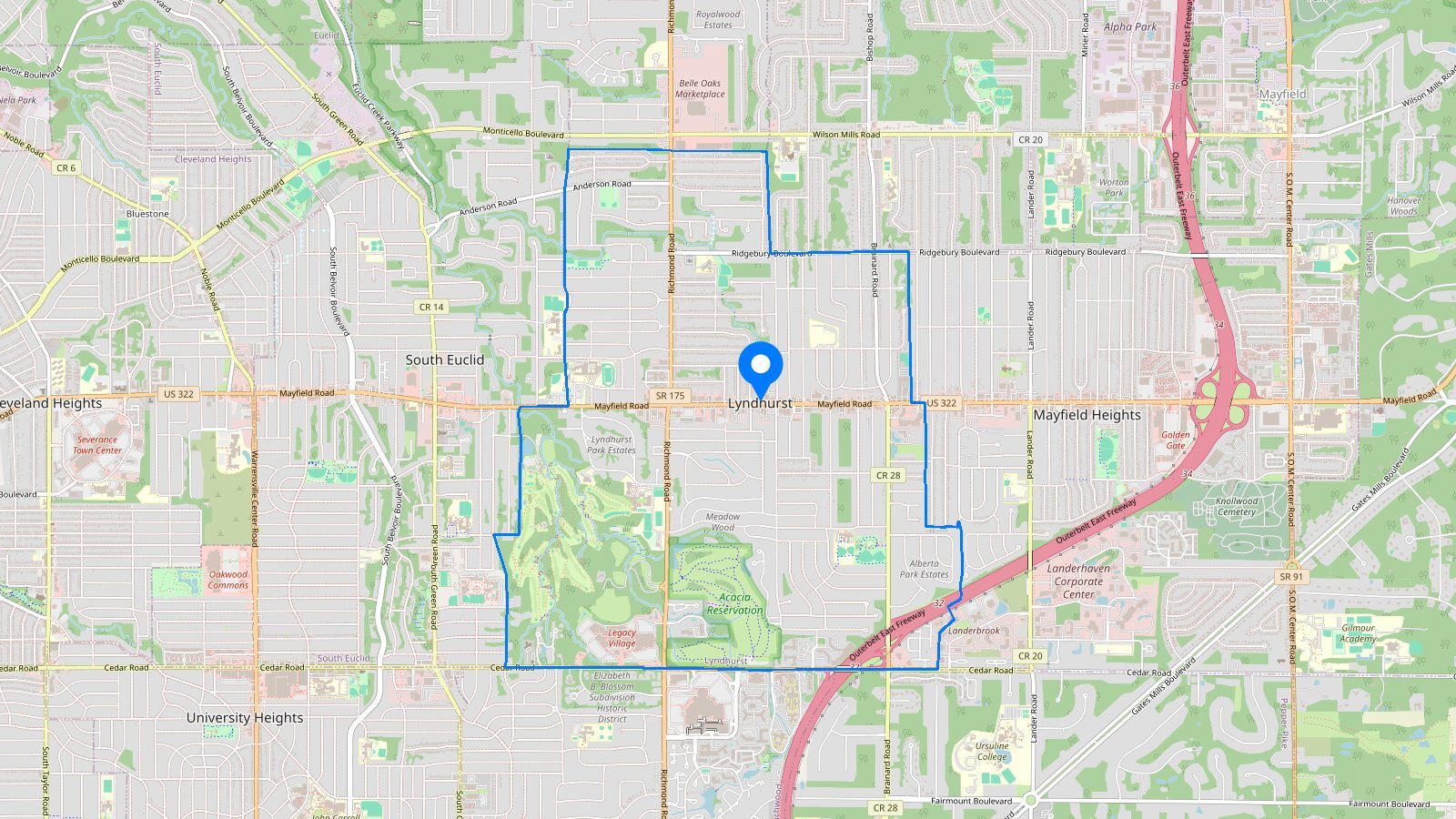
Structured Cabling in Lyndhurst, Ohio
Structured cabling gives your facility an organized foundation for connected systems. You get professionally installed infrastructure that supports security, life-safety, and daily operations. TIP helps carry the technical burden through assessment, vendor-neutral design, clean installation, and ongoing service.
- Structured Cabling for Lyndhurst commercial facilities
- Clean installation for security and life-safety systems
- Assessment, design, installation, and ongoing service
Structured cabling that supports connected commercial systems
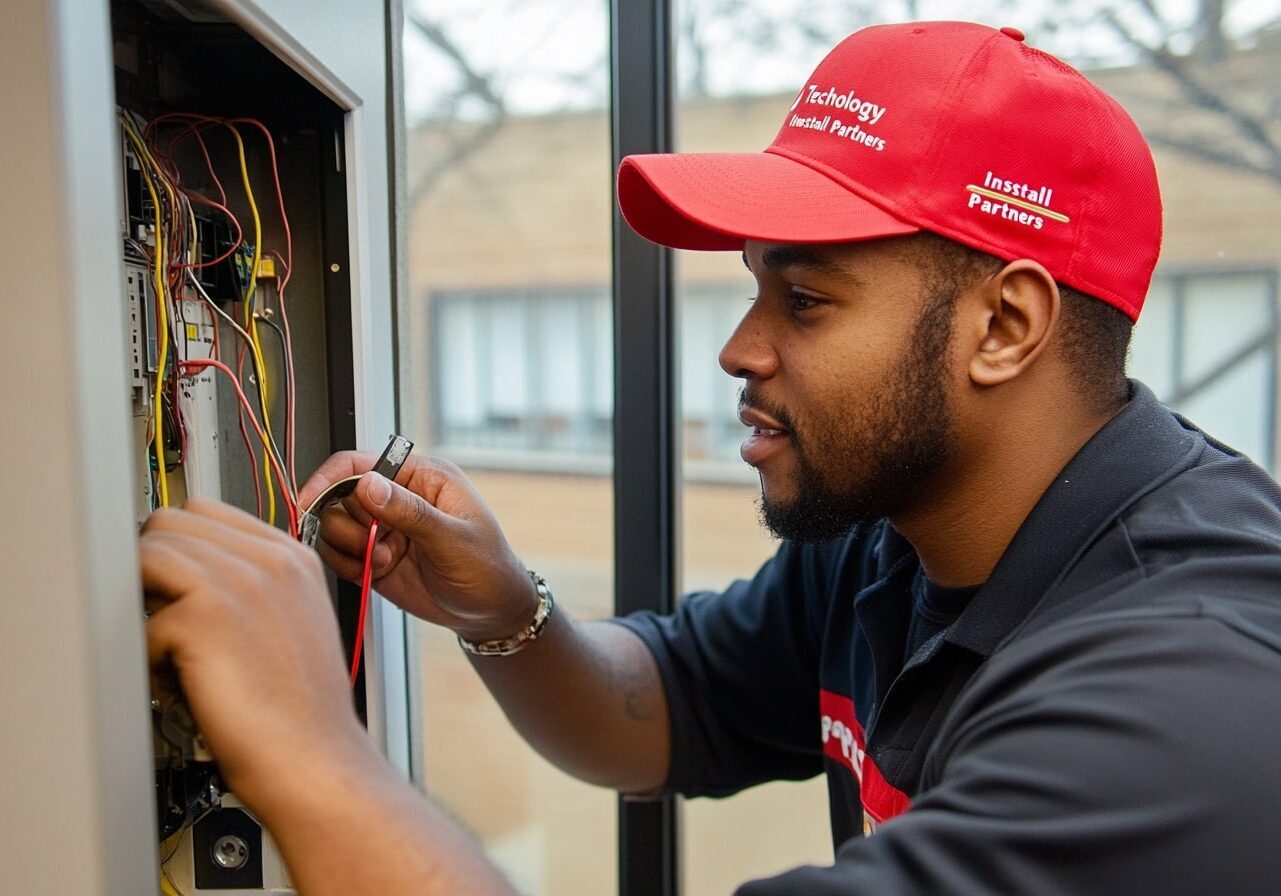
TIP provides structured cabling as part of its supporting infrastructure work for commercial facilities. You get the physical backbone needed for integrated technologies across your site.
Physical backbone for connected systems
Your cabling infrastructure supports devices, pathways, and connections across the site. That backbone helps systems work together more reliably.

Aligned with commercial project scope
Structured cabling often fits within Division 27 and 28 work. Your project stays more organized when low-voltage scope is planned clearly.

Supports security and life-safety technology
Cabling plays a critical role in cameras, access control, alarms, and related systems. Your facility needs dependable infrastructure before technology can perform well.
When Structured Cabling is the right fit
Structured cabling is often the right choice when your facility needs dependable infrastructure for security and life-safety systems. It becomes especially important during changes, upgrades, and integrated commercial projects.
New construction and tenant build-outs
You need structured cabling planned early when a facility is being built or reconfigured. Early coordination helps avoid delays and rework.
Retrofits in occupied facilities
Older buildings often need better low-voltage pathways and cleaner organization. Your upgrade can be handled with less disruption to daily operations.
Security system expansions
Adding cameras, access control, or intrusion devices usually requires new infrastructure. Your system works better when cabling is designed for the added load.
Multi-area or multi-floor connectivity needs
Large facilities need consistent cabling across rooms, floors, and departments. Your team benefits from a more organized, easier-to-manage layout.
Moves, adds, and operational changes
Facility changes often create new cable drops, device locations, and support needs. Your infrastructure should adapt without becoming disorganized.
Better integration across building systems
Your cabling plan supports a more coordinated approach to security, communications, and life-safety technologies.
Long-term value for commercial operations
Well-organized infrastructure helps your team maintain, expand, and service systems more confidently over time.
Why commercial teams choose TIP for Structured Cabling
Commercial teams choose TIP for a practical, experienced approach to structured cabling. You get organized planning, professional installation, and support that fits facility operations.
Commercial systems perspective
Your cabling work is handled within the broader context of commercial security and life-safety systems. That helps keep infrastructure aligned with real building needs.
Consistent project approach
You get a structured process from assessment through service. That consistency helps reduce confusion during planning and installation.
Built for ongoing support
Your facility needs more than a one-time install. TIP supports long-term service so your infrastructure can keep pace with operational changes.
How TIP delivers Structured Cabling
TIP uses a consistent process to move your project from planning through long-term support. You get a professional approach at each stage.
Assessment
Your project starts with a review of facility conditions, goals, and system needs. This helps define the right cabling approach.
Design
Your infrastructure is planned around the building, device locations, and future use. Vendor-neutral design helps keep recommendations focused on fit.
Installation
Your cabling is installed with attention to organization, coordination, and site conditions. Clean execution supports smoother inspections and turnover.
Service
Your team has ongoing support after installation. That helps with adjustments, expansions, and long-term system performance.
The same process works for single-building retrofits and multi-site rollouts.
What clients want from a structured cabling partner
Commercial clients want practical results from a cabling partner. You need accountability, thoughtful planning, organized installation, and dependable support.
One point of responsibility
Your team wants clear accountability for low-voltage infrastructure work. That makes communication and coordination easier throughout the project.
Facility-driven design
Your building layout, operations, and technology goals should shape the cabling plan. Good design supports how your facility actually functions.
Organized installation
Your project benefits from clean routing, labeling, and coordination with other trades. Orderly work supports easier service later.
Long-term support
Your infrastructure should remain useful as systems change over time. Ongoing support helps your team adapt without starting over.
These expectations matter because security and life-safety systems depend on stable, well-supported infrastructure.
Built for commercial facilities and project teams
Structured cabling is built for the commercial clients and project teams TIP already supports. You get help that fits owners, facility leaders, and construction partners.
Business owners and property leaders
You need infrastructure that supports current operations and future growth. Structured cabling helps create a stronger foundation for connected systems.
Facility directors and managers
Your building systems need reliable support and easier maintenance. Organized cabling helps reduce confusion during service and expansion.
General contractors and electricians
You need low-voltage and security-related scope handled correctly and coordinated well. That supports smoother project delivery across trades.
TIP serves commercial facilities across Ohio, Michigan, and Indiana.
Talk with TIP about Structured Cabling
If your facility or project team needs structured cabling for security, life-safety, retrofit, expansion, or multi-site work, talk with TIP. Call (888) 586-7040 to discuss your needs.