
Commercial infrastructure service
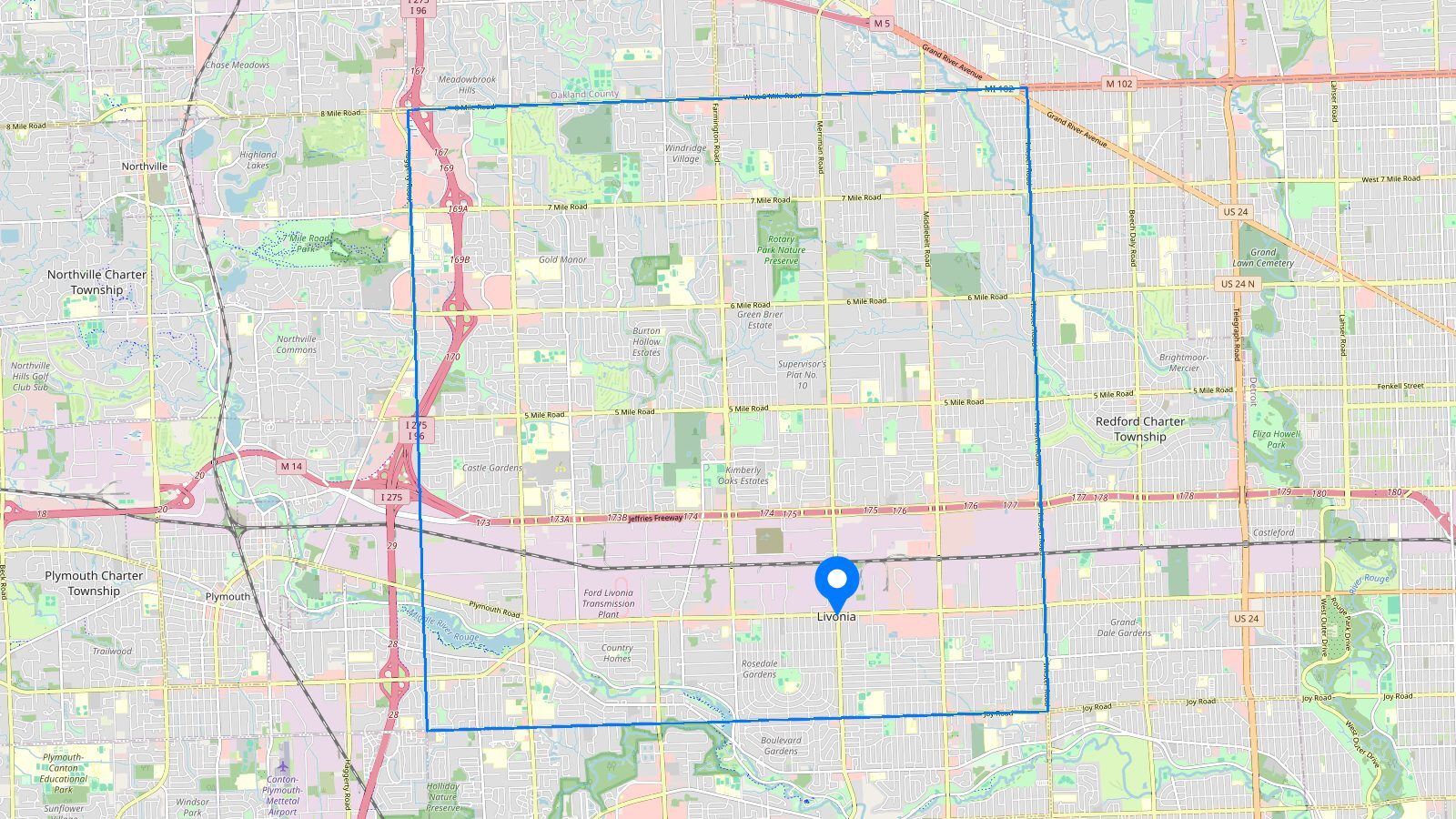
Structured Cabling in Livonia, Michigan
Structured cabling gives your facility an organized backbone for connected systems. You get professional assessment, vendor-neutral design, clean installation, and responsive service from a team experienced in integrated security and life-safety work.
- Structured Cabling for Livonia commercial facilities
- Clean installs for security and life-safety systems
- Assessment, design, installation, and ongoing service
Structured cabling that supports connected commercial systems
Structured cabling provides the supporting infrastructure your site needs for integrated technologies. It creates the physical backbone that helps commercial security, communications, and life-safety systems work together across your facility.
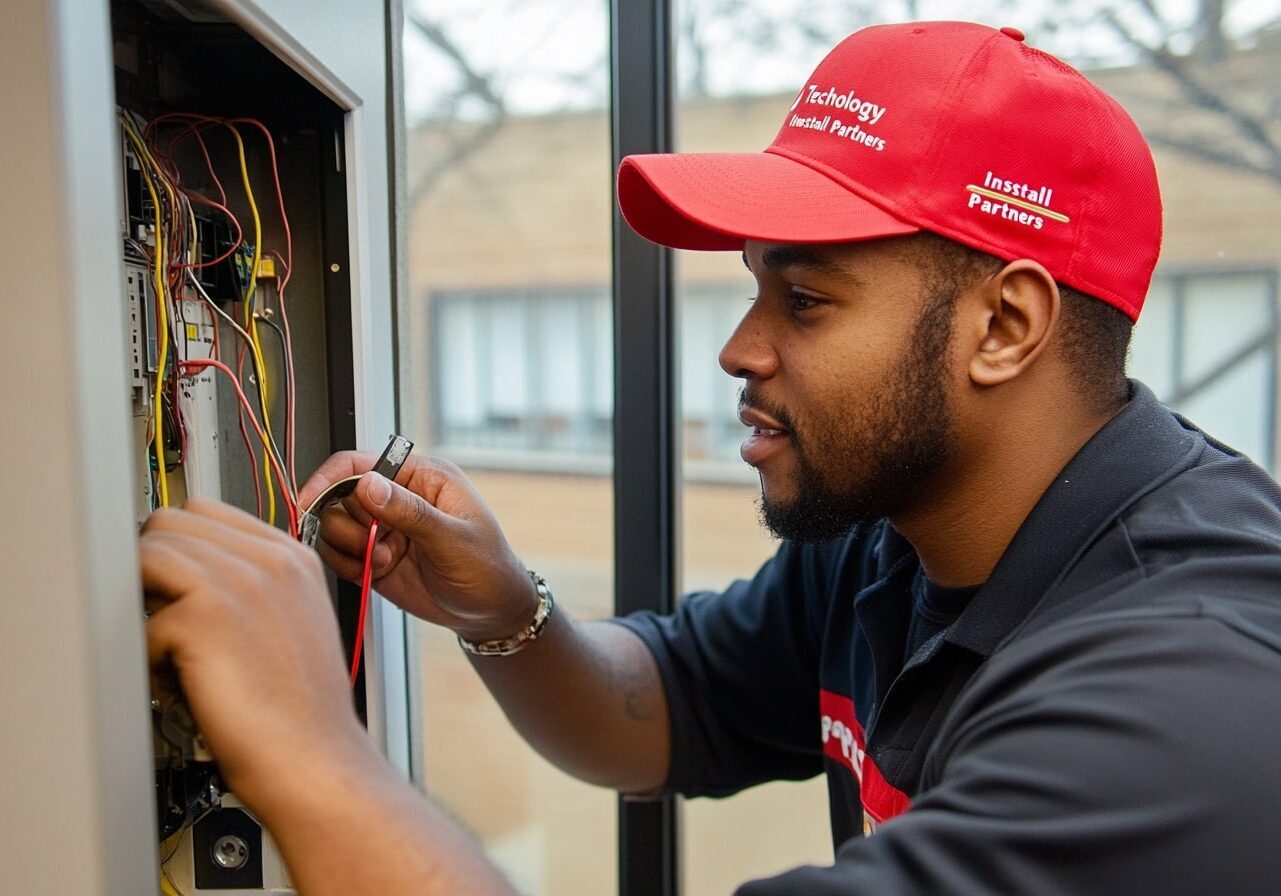
Physical backbone for connected systems
Your cabling infrastructure supports the devices and platforms that keep commercial spaces connected, monitored, and easier to manage.

Aligned with security and life-safety scope
Structured cabling supports cameras, access control, intercoms, alarms, and related technologies often included in Division 27 and 28 work.

Built for commercial environments
You get organized pathways, labeled runs, and installation practices that fit offices, warehouses, healthcare spaces, schools, and multi-site operations.
When Structured Cabling is the right fit
Structured cabling is often the right choice when your facility needs dependable infrastructure for security and life-safety systems. It becomes especially important during growth, renovation, upgrades, or standardization across commercial properties.
New construction and tenant build-outs
You need planned cabling early so your security, communications, and networked building systems have the right foundation.
Facility expansions and remodels
Added spaces often require new drops, pathways, and organized distribution to keep your systems consistent and scalable.
Security system upgrades
New cameras, access control doors, or monitoring points often depend on reliable cabling to perform correctly.
Aging or disorganized infrastructure
Older cable runs can create confusion, downtime, and service challenges when changes or repairs are needed.
Multi-site standardization
If you manage several locations, consistent cabling practices help support easier deployment, documentation, and ongoing service.
Better support for integrated systems
Your structured cabling plan helps separate devices, pathways, and connections make more sense across the entire building.
Stronger long-term flexibility
An organized infrastructure makes future moves, adds, and technology upgrades easier without starting over.
Why commercial teams choose TIP for Structured Cabling
You need more than cable pulling. You need a commercial partner with a consistent process, integrated systems experience, and a service model that supports your facility after installation.
Commercial project experience
Your project benefits from a team that works in commercial environments where coordination, documentation, and clean execution matter.
Integrated system perspective
Your cabling is planned with the connected systems in mind, not treated like an isolated task.
Service beyond installation
You have a partner for assessment, design, installation, and ongoing support as your facility changes over time.
How TIP delivers Structured Cabling
You get a consistent, professional process from planning through long-term support. That approach helps reduce confusion and keeps your project moving in a clear direction.
Assessment
Your project starts with a review of facility needs, existing conditions, goals, and the systems your cabling must support.
Design
You receive a vendor-neutral plan for pathways, cable runs, device locations, and infrastructure that fits your building.
Installation
Your cabling is installed cleanly and professionally with attention to coordination, organization, and dependable performance.
Service
You keep access to ongoing support for changes, additions, troubleshooting, and long-term facility needs.
This same process works for single-building retrofits and multi-site rollouts.
What clients want from a structured cabling partner
Commercial teams usually want a partner who can simplify responsibility, plan around facility realities, and deliver organized work that supports future needs.
One point of responsibility
You want clear ownership so your low-voltage infrastructure work stays coordinated with connected security and life-safety systems.
Facility-driven design
Your building layout, operations, and future plans should shape the cabling plan instead of forcing a generic solution.
Organized installation
You expect labeled, orderly work that supports easier maintenance, cleaner handoff, and less disruption to your team.
Long-term support
You need a partner who can help as your facility grows, changes, or adds new connected technologies.
These expectations matter because reliable cabling helps support dependable security and life-safety system performance.
Built for commercial facilities and project teams
Structured cabling is built to support commercial owners, facility leaders, and construction partners who need low-voltage and security-related scope handled correctly.
Business owners and property leaders
You need infrastructure that supports daily operations while preparing your facility for current and future technologies.
Facility and operations teams
You need organized systems that are easier to maintain, expand, and troubleshoot over time.
General contractors and trade partners
You need a low-voltage partner who communicates clearly and handles scope correctly within the larger commercial project.
TIP serves commercial facilities across Ohio, Michigan, and Indiana.
Talk with TIP about Structured Cabling
If your team is planning integrated security, life-safety, retrofit, expansion, or multi-site work, talk through your structured cabling needs. Call (888) 586-7040 to discuss your facility and next steps.