
Commercial infrastructure service
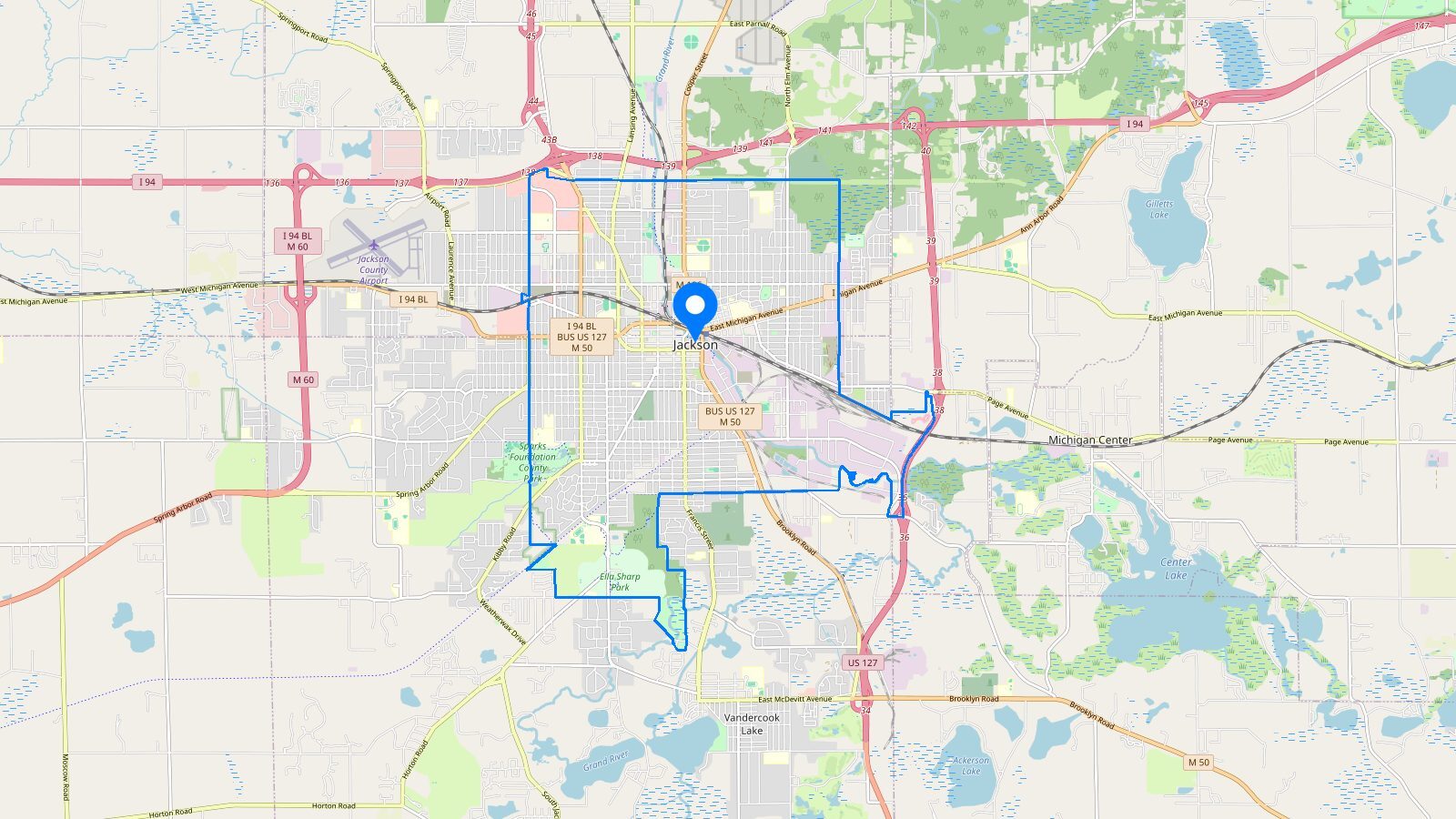
Structured Cabling in Jackson, Michigan
Your building systems depend on organized cabling behind the walls and above the ceiling. You get a professionally installed backbone for commercial technology, supported by integrated security and life-safety experience. Your team can rely on a clear process for assessment, vendor-neutral design, clean installation, and long-term service.
- Structured Cabling for Jackson commercial facilities
- Clean installs that support security and life-safety systems
- Assessment, design, installation, and ongoing service
Structured cabling that supports connected commercial systems
Structured cabling creates the physical backbone your commercial systems need to work together. You get supporting infrastructure that helps integrated technologies perform across your facility.
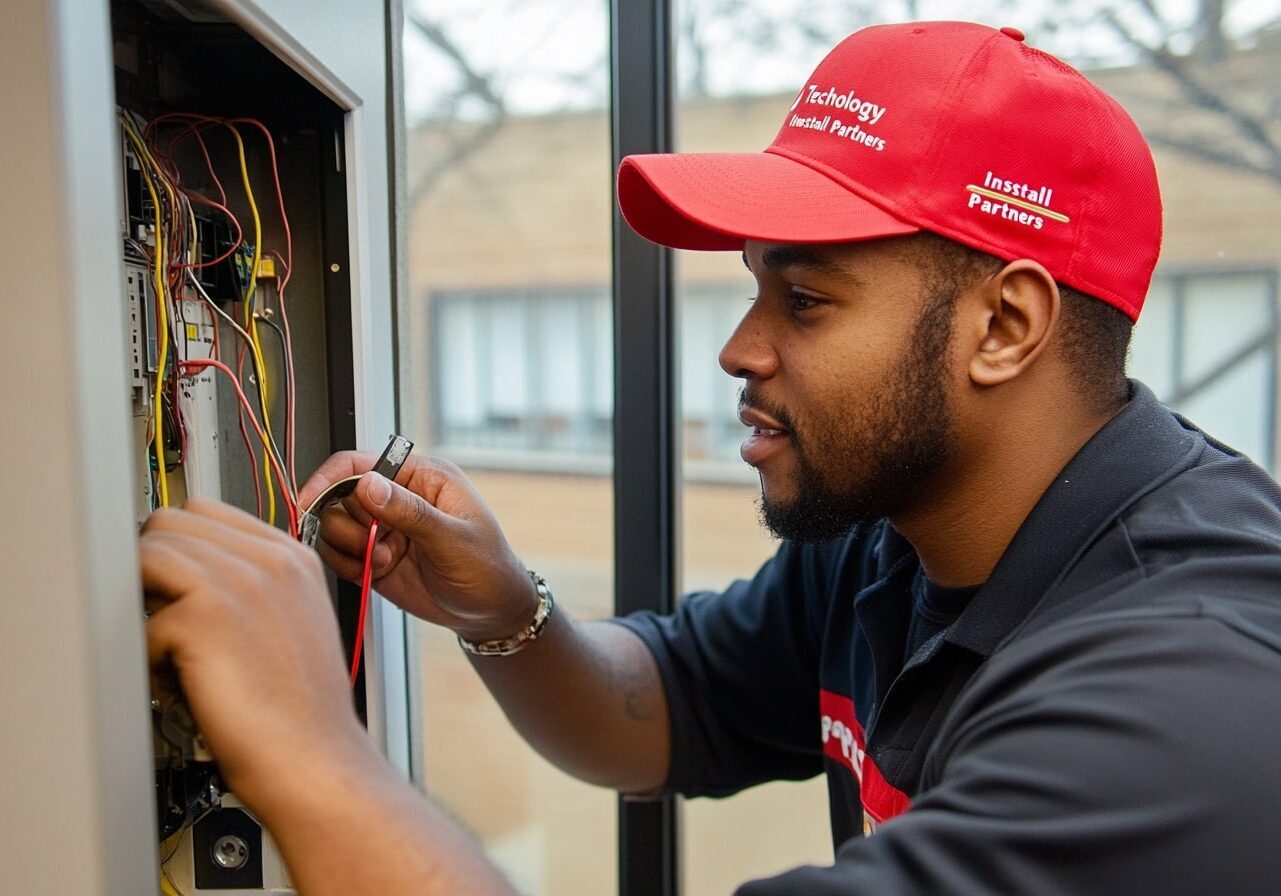
Physical backbone for connected systems
Your structured cabling supports cameras, access control, intrusion, communications, and other low-voltage technologies across the site.

Built for Division 27 and 28 scope
Your project gets infrastructure that fits commercial technology and security work without treating cabling as an afterthought.

Organized for future service
Your cabling layout is planned for labeling, testing, and easier support when your facility changes over time.
When Structured Cabling is the right fit
Structured cabling makes sense when your facility needs dependable infrastructure for security, communications, and life-safety technologies. It is especially important when performance, organization, and future service matter.
New construction and build-outs
Your new space needs a low-voltage backbone planned correctly before walls close and systems come online.
Security system expansion
Your added cameras, readers, or devices need dependable cabling to avoid weak points in system performance.
Facility renovations
Your remodel is the right time to replace outdated cabling and improve layout, labeling, and pathways.
Multi-area connectivity issues
Your disconnected spaces may need a more organized cabling approach to support consistent operation across the building.
Moves, adds, and changes
Your growing facility benefits from cabling that is easier to extend, service, and document.
Better alignment across systems
Your infrastructure works better when security and life-safety technologies are planned as part of one connected environment.
Less burden on your team
Your facility staff and project partners get one coordinated approach instead of chasing separate vendors and decisions.
Why commercial teams choose TIP for Structured Cabling
You need a partner that understands commercial environments and stays organized from planning through service. That operating model helps your project move with less guesswork.
Commercial project perspective
Your work is approached with the needs of commercial facilities, project schedules, and coordination requirements in mind.
Integrated systems understanding
Your cabling is planned to support security and life-safety technologies, not just isolated cable runs.
Consistent service model
Your project follows a defined process from assessment through ongoing support, helping reduce confusion and rework.
How TIP delivers Structured Cabling
You get a consistent process that moves from planning to support with clear responsibility at each stage.
Assess
Your site, goals, constraints, and existing conditions are reviewed to define what the project needs.
Design
Your cabling plan is developed around facility use, device locations, pathways, and long-term support needs.
Install
Your system is installed cleanly and professionally with attention to coordination, organization, and dependable performance.
Service
Your team has ongoing support available for changes, troubleshooting, and future expansion.
This same process works for single-building retrofits and multi-site rollouts.
What clients want from a structured cabling partner
You are usually looking for practical execution, clear ownership, and infrastructure that supports daily operations without creating extra problems.
One point of responsibility
Your team wants one accountable partner for planning, installation, and support instead of fragmented scope.
Facility-driven design
Your cabling plan should reflect how your building operates today and how it may grow later.
Organized installation
Your project needs clean routing, labeling, and coordination to support smoother turnover and easier service.
Long-term support
Your facility benefits from a partner who can help after installation when needs change.
These expectations matter because security and life-safety systems depend on reliable supporting infrastructure.
Built for commercial facilities and project teams
Structured cabling is built for commercial clients who need low-voltage and security-related scope handled with care and coordination.
Business owners and operators
Your facility needs dependable low-voltage infrastructure that supports operations, safety, and future technology changes.
Facility and property leaders
Your team needs cabling work handled correctly so service calls, upgrades, and expansions stay manageable.
General contractors and trades
Your project benefits from a coordinated low-voltage partner who understands commercial construction workflows.
TIP serves commercial facilities across Ohio, Michigan, and Indiana.
Talk with TIP about Structured Cabling
If your facility or project team needs structured cabling for security, life-safety, retrofit, expansion, or multi-site work, call to discuss your goals.