
Supporting infrastructure for integrated commercial security
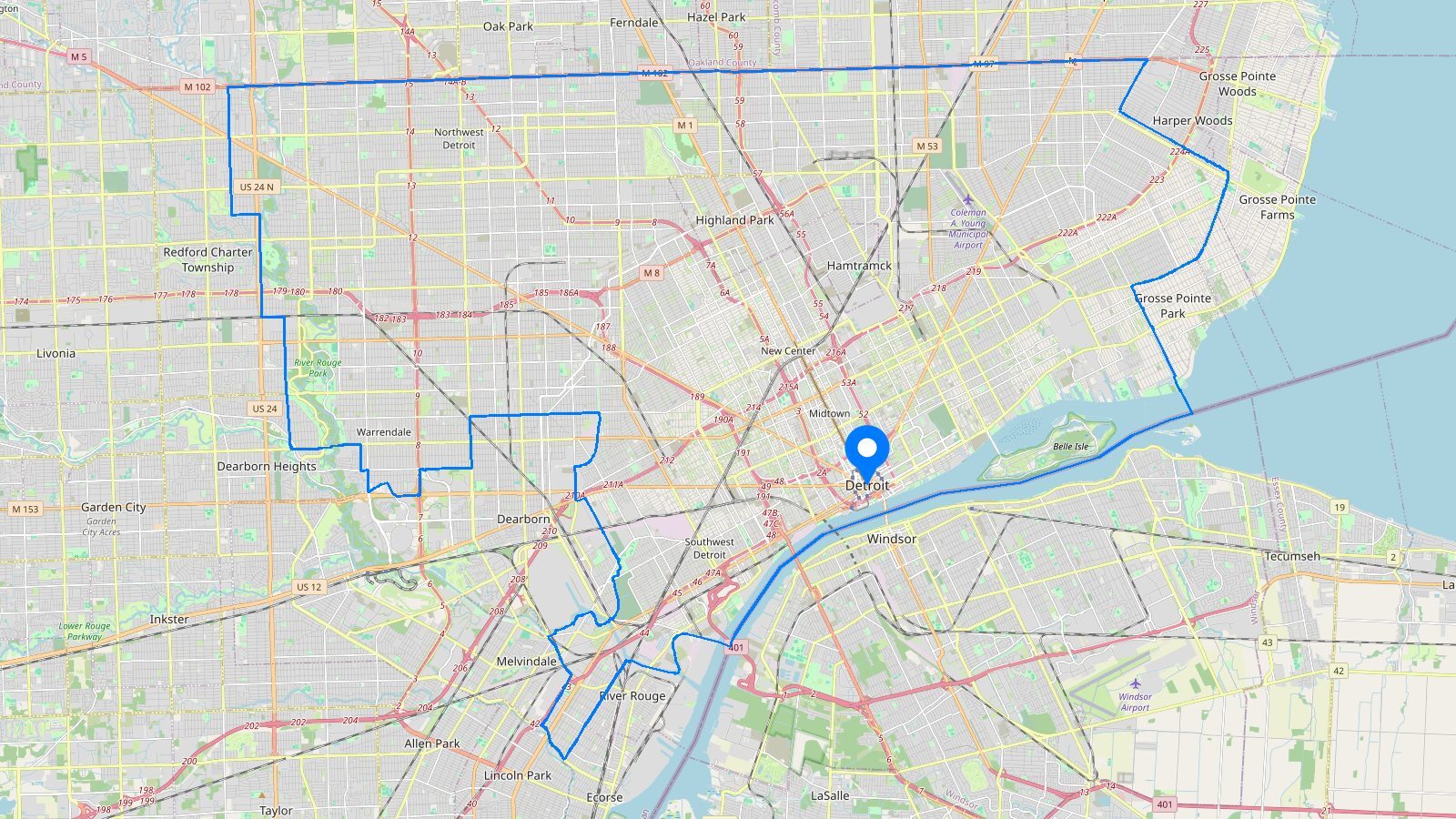
Enterprise Wireless Networks in Detroit, Michigan
Your wireless network supports connected security, access, video, and building systems every day. Technology Install Partners helps Detroit facilities simplify communications, reduce coordination issues, and create room to scale.
- Enterprise wireless networks for Detroit facilities
- Reliable connectivity for security and building systems
- Planned to scale with your operations
Why enterprise wireless networks matter
Your facility needs dependable wireless performance when connected systems must communicate without delays, dropouts, or unnecessary complexity.

Reliable system communication
Your access control, cameras, alarms, and intercoms depend on stable wireless connections to share data and alerts.

Support for daily operations
Your team needs consistent coverage across offices, entrances, common areas, and operational spaces throughout Detroit properties.
Readiness for growth
Your network should handle added devices, changing layouts, and future integrations without forcing repeated redesigns.
Built for connected security environments
Your wireless infrastructure should reflect how security and building systems actually work, not just basic office internet use.
Access control connectivity
Your wireless network can support connected readers, controllers, and management tools across entry points and interior zones.
Video and monitoring support
Your environment needs dependable communications for surveillance viewing, notifications, and coordination with related security platforms.
Alarm and intrusion integration
Your alarm systems benefit from reliable wireless pathways that help events and status updates move where needed.
Intercom and entry communication
Your teams and visitors need clear, responsive communication between entry stations, staff locations, and management interfaces.
Multi-system coordination
Your building may rely on several connected technologies that must work together without avoidable network gaps or overlap.
Integration-focused planning
Your network is planned around connected security demands, device placement, and real operational use across Detroit facilities.
Vendor-neutral guidance
Your team gets recommendations based on fit, performance, and long-term support rather than a one-size-fits-all approach.
Why work with one integrated partner
Your project becomes easier to manage when the wireless layer is handled by the same team supporting your security environment.
Less coordination burden
Your team avoids juggling separate providers when one partner understands the network and the connected security systems.
Better operational alignment
Your wireless design can reflect device locations, user needs, and facility workflows from the start.
Scalable long-term support
Your environment can expand more smoothly when the same provider helps plan upgrades, additions, and service over time.
Our process
Your project follows a clear path from discovery through support, with planning centered on performance, integration, and long-term use.
Assessment
Your team shares goals, coverage needs, device plans, and site conditions so the project starts with the right requirements.
Design
Your wireless solution is planned around building layout, connected systems, expected usage, and future expansion.
Installation
Your network is deployed and coordinated with related systems to help reduce disruption and support dependable operation.
Ongoing Service
Your facility gets continued support for changes, troubleshooting, and growth as needs evolve over time.
Keep step titles short; the layout provides the numbering.
Why Technology Install Partners
Your facility needs a partner that understands wireless infrastructure inside security and life-safety environments.
Integrated systems perspective
Your project benefits from a team that works across commercial security, communications, and related facility technologies.
Technical project capability
Your deployment can be planned and executed by experienced staff focused on performance, coordination, and serviceability.
Manufacturer-aligned experience
Your team gains support from a provider that works with recognized manufacturers and practical equipment standards.
Support for single or multi-site needs
Your organization can get help with one Detroit location or broader rollout needs across multiple facilities.
Keep this band credibility-focused and tied to stated company capabilities.
Signs you may need wireless network support
Your facility may benefit from an assessment when connected systems are growing or wireless performance is becoming harder to manage.
Connectivity issues are affecting operations
Your team notices inconsistent coverage, dropped connections, or unreliable communication between connected systems and users.
Wireless security devices are expanding
Your facility is adding more connected readers, cameras, intercoms, or sensors than the current network was built for.
Too many vendors are involved
Your project may need one integrator to coordinate the wireless layer with security and building technology requirements.
Keep the language diagnostic and practical, not alarmist.
Talk with TIP about enterprise wireless networks
If your Detroit facility needs reliable, scalable wireless support for connected security systems, start the conversation at (888) 586-7040.