
Commercial infrastructure service
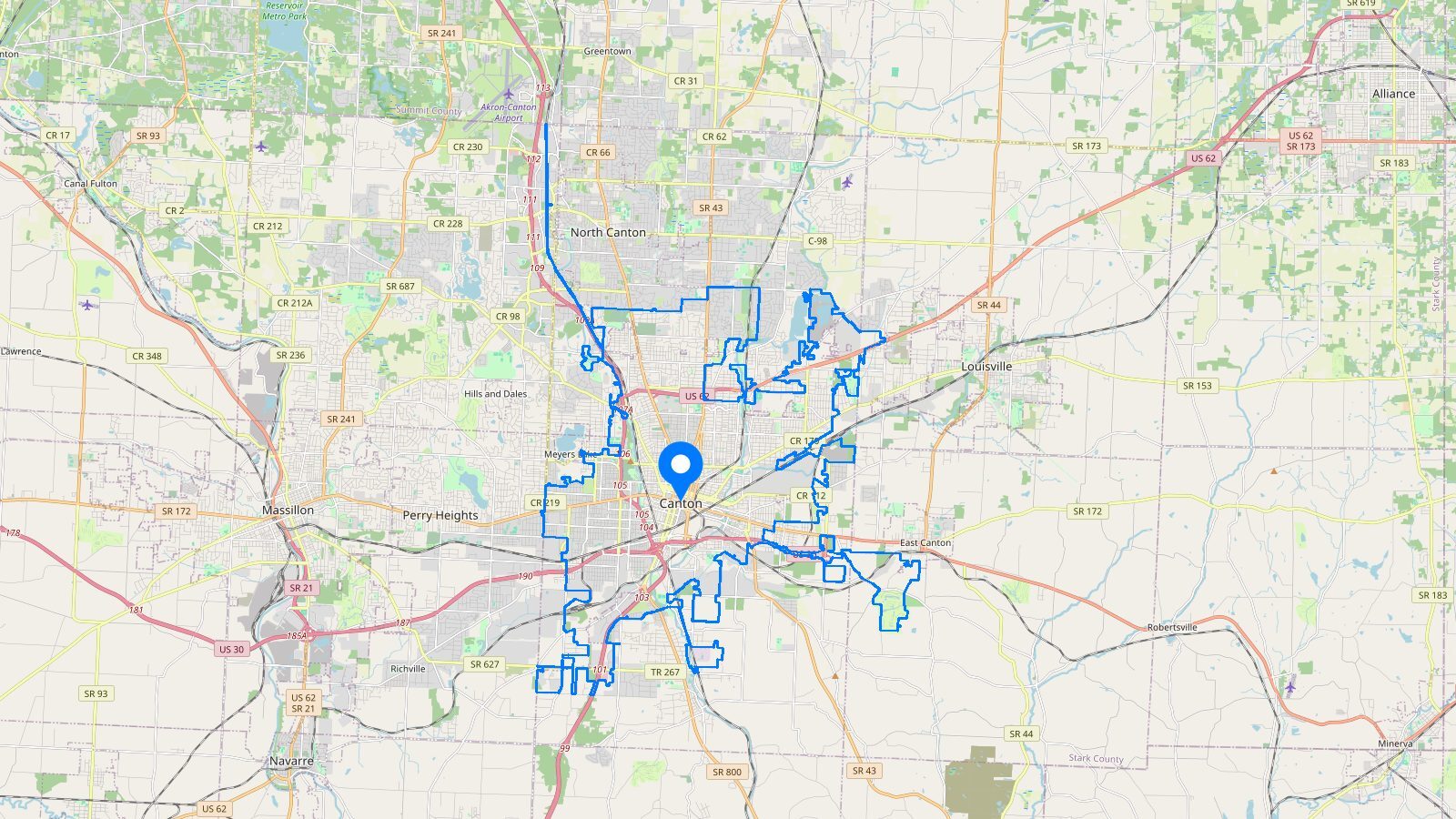
Structured Cabling in Canton, Ohio
Your structured cabling creates the backbone for connected commercial systems. You get organized infrastructure, professional installation, and support informed by TIP’s security and life-safety experience. Your project moves from assessment and design through installation and service with one coordinated process.
- Structured Cabling for Canton commercial facilities
- Clean installation for security and life-safety systems
- Assessment, design, installation, and ongoing service
Structured cabling that supports connected commercial systems
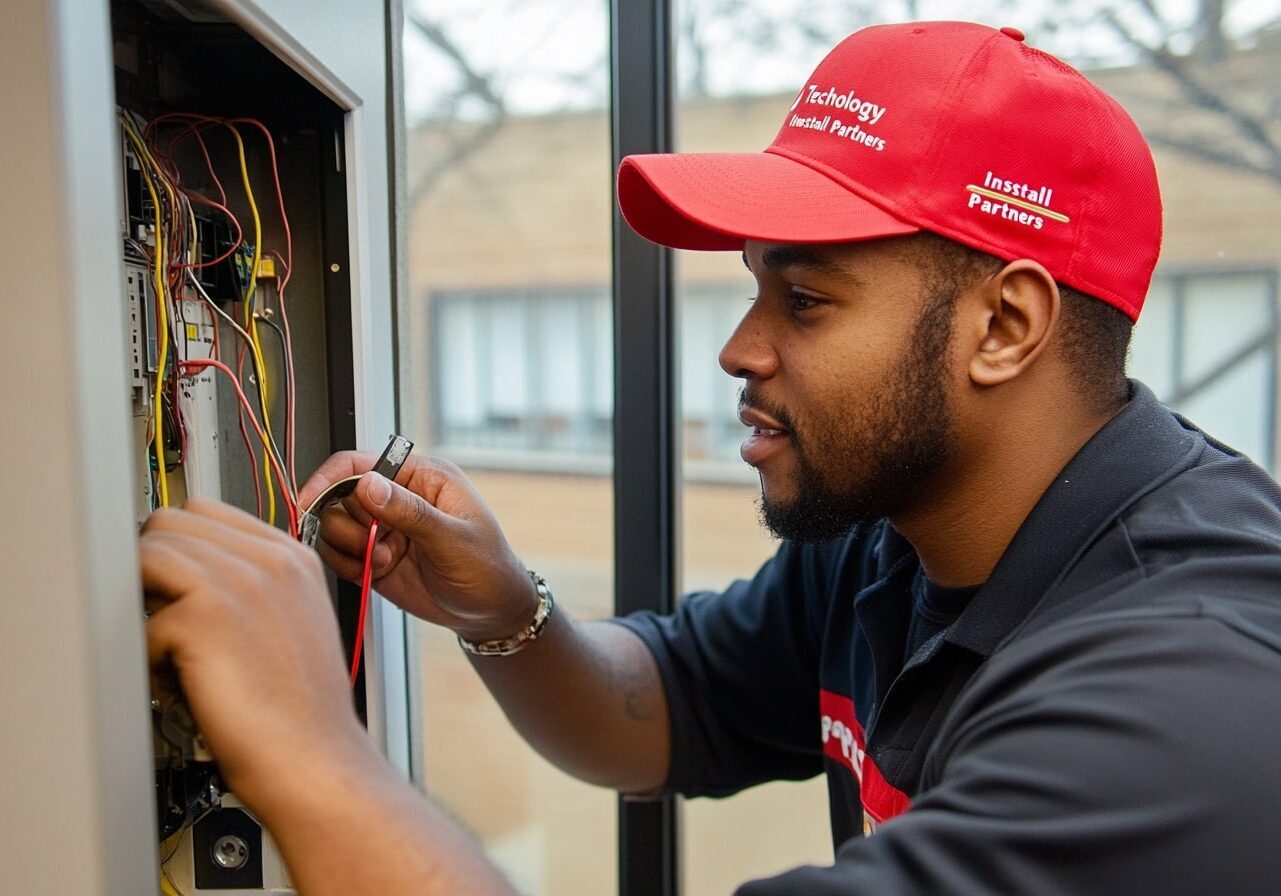
TIP provides structured cabling as part of its supporting infrastructure work for commercial facilities. You get the physical backbone needed for integrated technologies across your site.
Physical backbone for connected systems
Your cabling supports devices, pathways, and system connections across your facility. That foundation helps your technologies work together reliably.

Aligned with commercial project scope
Your project can include structured cabling within Division 27 and 28 work. This helps construction teams coordinate low-voltage scope more clearly.

Supports security and life-safety technology
Your cameras, access control, alarms, and related systems depend on organized infrastructure. Structured cabling helps those systems perform as intended.
When Structured Cabling is the right fit
Structured cabling is often the right choice when your facility needs dependable infrastructure for security and life-safety systems. It supports integrated commercial projects with a cleaner, more organized foundation.
New construction and build-outs
Your project needs planned pathways and cable runs before walls close. Early coordination helps avoid delays and future rework.
Renovations and retrofits
Your existing facility may need updated infrastructure for newer systems. Structured cabling helps modernize technology without patchwork solutions.
Security system upgrades
Your camera, access control, or intrusion upgrades need dependable cabling underneath. Strong infrastructure supports better system performance and expansion.
Facility expansions
Your added square footage needs cabling that matches current operations. Planned expansion helps maintain consistency across the site.
Multi-site standardization
Your organization may want the same approach across several locations. Structured cabling supports cleaner rollouts and easier long-term management.
Better coordination across trades
Your project benefits when low-voltage work aligns with construction schedules, electricians, and facility needs. That reduces confusion and helps keep work moving.
Stronger support for integrated systems
Your building technologies work best when the infrastructure is organized from the start. That matters for security, communications, and life-safety performance.
Why commercial teams choose TIP for Structured Cabling
TIP supports structured cabling with a commercial operating model built around planning, coordination, and long-term service. You get a partner focused on organized work and dependable project execution.
Commercial project focus
Your project is handled with commercial facility needs in mind. That includes coordination, documentation, scheduling, and site-specific requirements.
Integrated systems experience
Your cabling work benefits from broader security and life-safety knowledge. That helps align infrastructure with the systems it supports.
Consistent service approach
Your team gets assessment, design, installation, and ongoing support through one process. That creates clearer communication and better accountability.
How TIP delivers Structured Cabling
TIP follows a consistent process that carries your project from planning through long-term support. You get a professional approach built for commercial facilities.
Assessment
Your team starts with a review of facility conditions, project goals, and system needs. This helps define the right scope before work begins.
Design
Your cabling plan is developed around the site, devices, pathways, and future needs. Vendor-neutral thinking helps keep the solution practical.
Installation
Your infrastructure is installed with attention to layout, coordination, and clean workmanship. The goal is an organized result that supports reliable performance.
Service
Your support continues after installation as needs change over time. Ongoing service helps your systems stay usable and easier to manage.
This same process works for single-building retrofits and multi-site rollouts.
What clients want from a structured cabling partner
Commercial clients and project teams usually want practical, dependable execution. You need planning, coordination, and support that make the work easier to manage.
One point of responsibility
Your team wants clear ownership for the cabling scope. That helps reduce handoff problems and makes communication simpler.
Facility-driven design
Your infrastructure should fit how the building operates. Good planning accounts for layout, use, access, and future changes.
Organized installation
Your site needs neat, coordinated work that supports inspections and long-term service. Clean installation helps prevent avoidable issues later.
Long-term support
Your cabling should remain manageable as systems grow or change. Continued support helps protect your investment over time.
These expectations matter because security and life-safety systems depend on dependable supporting infrastructure.
Built for commercial facilities and project teams
Structured cabling is built for the commercial clients TIP already supports. You get low-voltage and security-related infrastructure handled with project coordination in mind.
Business owners and operators
Your facility needs technology infrastructure that supports day-to-day operations. Structured cabling helps create a more dependable foundation.
Facility and property leaders
Your team needs low-voltage scope handled correctly and efficiently. Organized cabling supports maintenance, upgrades, and site consistency.
General contractors and trade partners
Your project benefits from a cabling partner who coordinates with construction schedules and related trades. That helps keep work aligned.
TIP serves commercial facilities across Ohio, Michigan, and Indiana.
Talk with TIP about Structured Cabling
If your facility or project needs structured cabling tied to security, life-safety, retrofit, expansion, or multi-site work, call to discuss the next step.