
Commercial life-safety communication
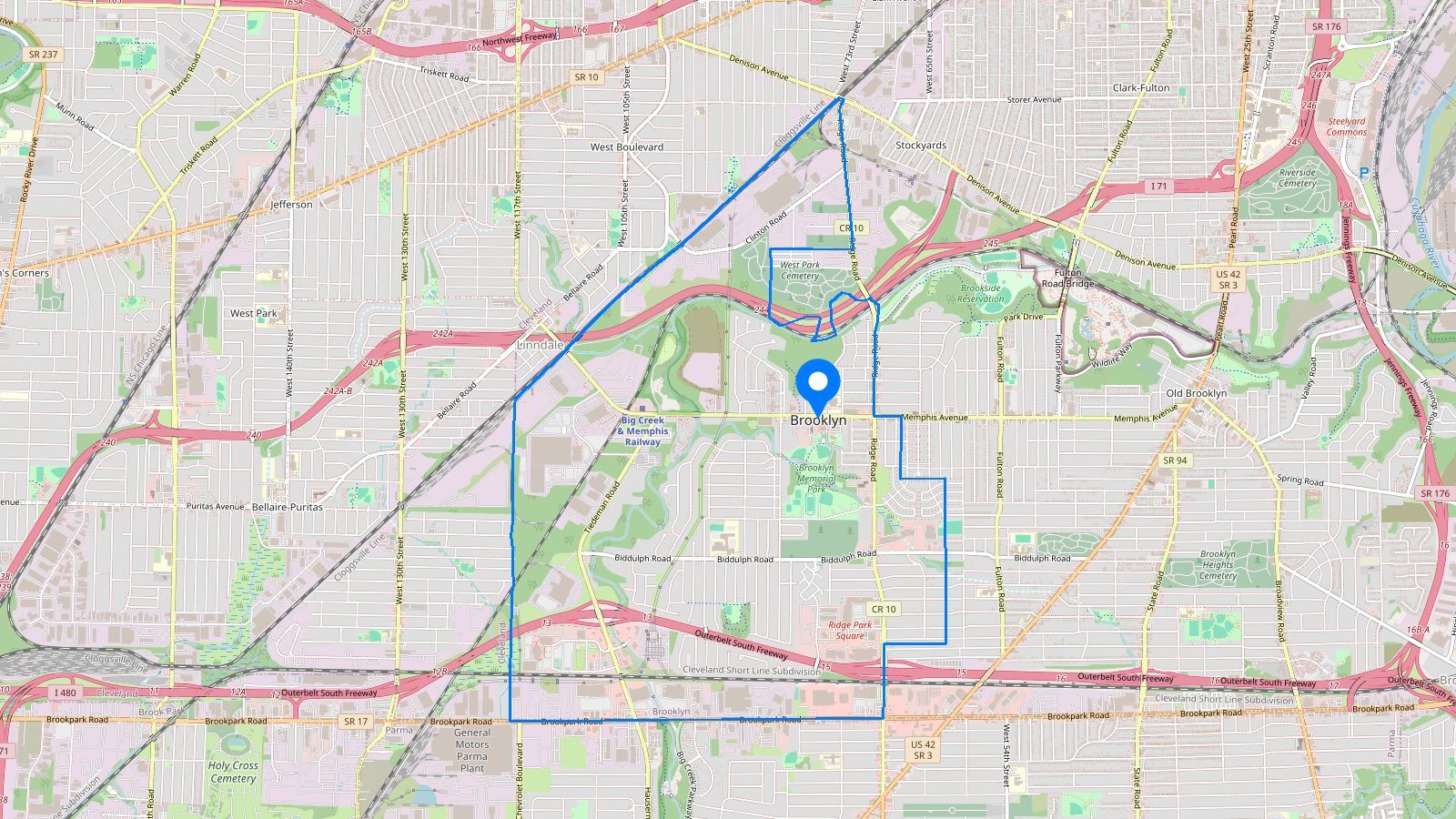
Mass Notification Systems in Brooklyn, Ohio
Your facility needs fast, clear emergency communication without adding technical strain to your team. Technology Install Partners helps Brooklyn, Ohio facilities assess, design, install, and support Mass Notification Systems within broader life-safety and security environments.
- Since 2008
- 500+ commercial clients
- Assessment, design, install, service
Commercial support for emergency communication
You need a practical partner to help protect people and property during emergencies, disruptions, and site-wide safety events. TIP helps your facility plan, deploy, and support Mass Notification Systems that fit your operations.
Fast, clear communication
Your building can deliver timely, understandable alerts when emergencies or disruptions happen. That helps occupants respond faster and with less confusion.

Less burden on your team
Your staff should not have to spend weeks researching products or coordinating every detail alone. TIP helps simplify decisions and reduce internal workload.

Part of a larger safety plan
Your mass notification approach works best when it fits your broader life-safety strategy. TIP helps align the system with your building needs and related technologies.
Where Mass Notification Systems makes the most sense
Reliable emergency communication brings the most value where people, buildings, and systems must respond quickly and consistently. These are common situations where support makes sense.
Facilities needing fast occupant alerts
Your site may need to notify staff, visitors, or tenants quickly during emergencies. Mass notification helps you communicate clearly across the facility.
Older systems being upgraded
Your building may be relying on aging life-safety or communication systems. An upgrade can improve reliability and support current operational needs.
Integrated alert environments
Your alerts may need to connect with fire, alarm, access control, or video systems. Integration helps your response tools work together.
Infrastructure and end-system support
Your project may involve both communication hardware and supporting infrastructure. TIP can help address the full scope instead of only one piece.
One integrator from start to service
Your team may want one commercial partner for design, installation, and long-term support. That reduces handoffs and helps keep accountability clear.
Retrofits in occupied facilities
Your building may need improvements without disrupting daily operations. TIP helps plan retrofits for older or occupied spaces with care.
Multi-site rollout consistency
Your organization may need similar deployment and service across several locations. TIP helps support consistent planning, installation, and follow-up.
Why facilities choose Technology Install Partners
You want a partner that understands commercial environments, stays flexible, and continues supporting your system after installation. TIP is built for that model.
Proven commercial experience
TIP has operated since 2008 and has served more than 500 commercial clients. Your project benefits from experience across varied facility needs.
Trained technical expertise
Your system is supported by factory-trained technical staff with certifications across more than 50 product lines. That helps your team make informed decisions.
Vendor-neutral and service-focused
Your facility gets recommendations based on fit, not a single brand. TIP also stays available for long-term service after the installation is complete.
How TIP delivers Mass Notification Systems
You get a clear path from planning through long-term support. The process is built to keep your project practical, coordinated, and serviceable.
Assess
Your facility, risks, infrastructure, and communication goals are reviewed first. That helps identify what your site truly needs.
Design
Your system is designed around your building and operational requirements. Vendor-neutral recommendations help match the right solution to the application.
Install
Your installation is completed with attention to coordination, cleanliness, and performance. The goal is a dependable system that fits your environment.
Service
Your support continues after installation with ongoing service and technical help. That keeps your system useful over time, not just on day one.
You should not be left alone after the install. TIP is built around continued support.
Mass Notification Systems within a larger safety ecosystem
Your mass notification system is strongest when planned alongside the other life-safety, security, and infrastructure systems in your facility. TIP supports that integrated approach.
Fire and alarm alignment
Your emergency communication plan often works alongside fire and alarm systems. Coordination helps support clearer response during urgent events.
Access control and video context
Your notification strategy may also connect with access control and video surveillance. Those systems can support situational awareness and response coordination.
Supporting infrastructure
Your results depend on more than end devices alone. Intercoms, wireless networks, and structured cabling can all support mass notification performance.
Division 27 and 28 coordination
Your commercial buildout may require coordination across communications and security scopes. TIP helps contractors and facility teams manage that broader project picture.
TIP is built around integrated commercial security and life-safety systems, not a product-only approach.
Signs it may be time to upgrade Mass Notification Systems
You may already be seeing gaps that make emergency communication harder than it should be. These common issues often point to a need for better support.
Manual or unclear communication methods
Your team may still rely on phone trees, ad hoc messages, or unclear announcements. That can slow response and create confusion during emergencies.
Disconnected alerts across buildings
Your buildings or departments may use different systems or inconsistent alert methods. That makes coordinated communication more difficult.
Too much internal research time
Your renovation, expansion, or upgrade may be forcing staff to compare products outside their expertise. A commercial integrator can reduce that burden.
TIP fits organizations that want one commercial integrator to assess needs, recommend the right fit, install cleanly, and continue service over time.
Talk with a commercial integrator about Mass Notification Systems
If you are a facility director, business owner, general contractor, or electrician in Brooklyn, Ohio, you can discuss an approach that fits your building, infrastructure, and broader life-safety needs.