
Commercial life-safety communication
Mass Notification Systems in Brecksville, Ohio
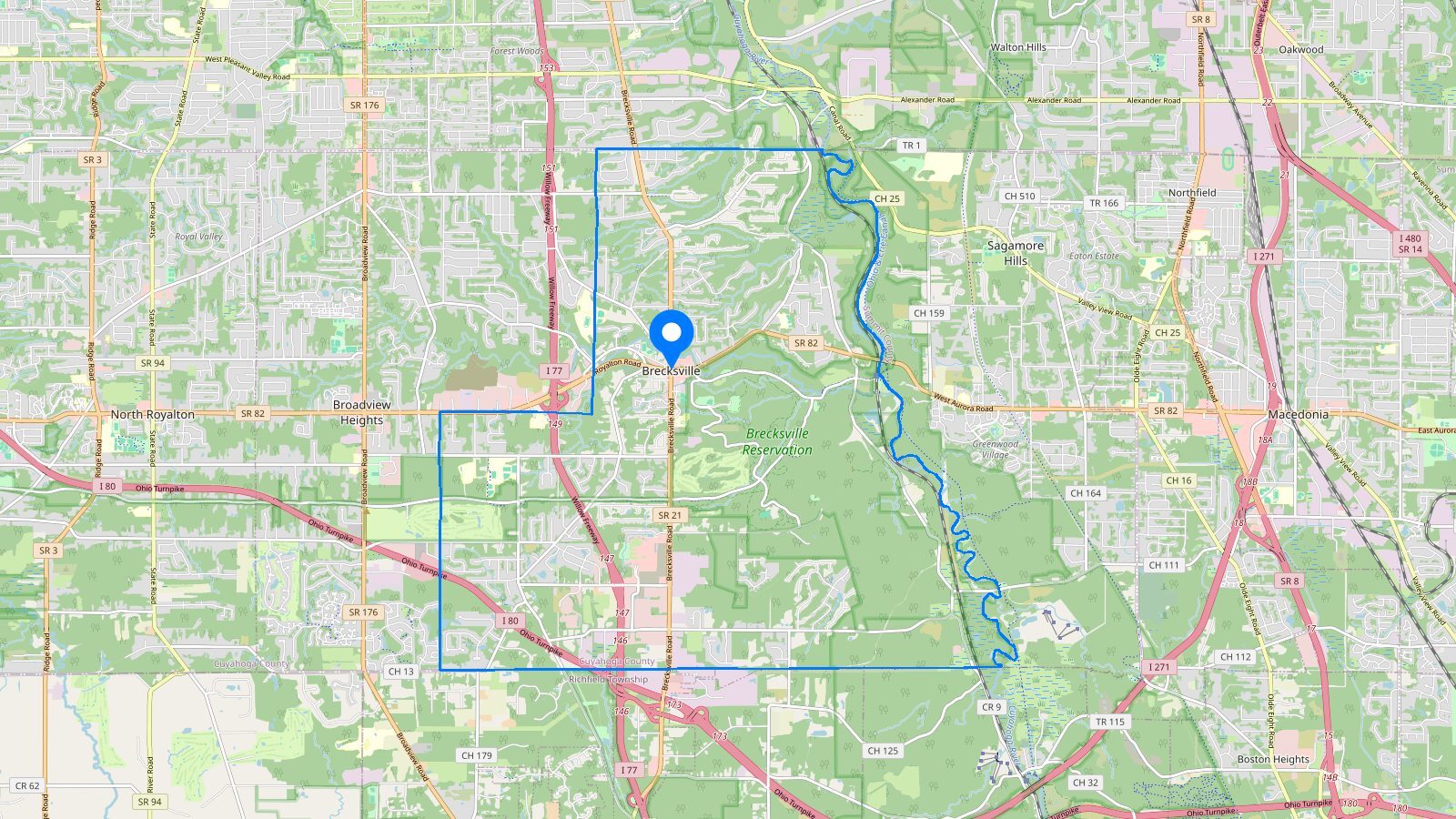
Protect your people and property with clear emergency communication in Brecksville, Ohio. Technology Install Partners helps you plan, install, and support mass notification systems without turning your team into technical experts.
- Since 2008
- 500+ commercial clients
- Assessment, design, install, service
Commercial support for emergency communication
Technology Install Partners helps commercial facilities in Brecksville, Ohio plan, deploy, and support mass notification systems that protect people and property.
Faster communication when every second matters
You need alerts that reach occupants quickly during emergencies, disruptions, and site-wide safety events. Your system should support clear, immediate communication.

Less burden on your internal team
Your facility team should not spend weeks comparing products and coordinating vendors. You get practical guidance, design help, and support from one commercial partner.

Part of a broader safety strategy
Your mass notification system works best when planned with your life-safety and security environment. That approach helps your building communicate more reliably during critical events.
Where Mass Notification Systems makes the most sense
Reliable, integrated emergency communication is especially valuable in facilities that need clear occupant alerts and coordinated safety response.
Facilities that need rapid occupant alerts
If your building needs quick communication during emergencies, mass notification can help occupants receive clear instructions when conditions change fast.
Sites replacing older communication systems
Older life-safety and communication systems can limit speed and clarity. An upgrade can improve consistency and support current facility needs.
Buildings that want connected safety systems
Mass notification is especially useful when alerts relate to fire, alarm, access control, or video systems within one coordinated environment.
Organizations needing infrastructure and end-system support
Some projects require both the notification platform and the supporting pathways behind it. You benefit from one partner handling both sides.
Teams wanting one integrator from start to finish
You may prefer one commercial integrator for design, installation, and service. That reduces handoff issues and keeps support simpler over time.
Single-building retrofits
Mass notification can fit occupied buildings and older facilities where upgrades must be planned carefully around daily operations.
Multi-site rollouts
If you manage several locations, you may need consistent deployment, coordination, and service across buildings and departments.
Why facilities choose Technology Install Partners
You want a practical commercial partner that understands integrated safety systems, recommends the right fit, and stays available after the install.
Commercial experience you can trust
Technology Install Partners has operated since 2008 and served more than 500 commercial clients. You get a partner experienced in real facility environments.
Trained technical depth
Your project is supported by factory-trained technical staff with certifications across more than 50 product lines. That helps you get informed guidance and dependable execution.
Vendor-neutral design and long-term service
You get recommendations based on fit, not a single brand. Your support continues after installation with service built into the relationship.
How TIP delivers Mass Notification Systems
You get a clear path from planning through long-term support, using a process built for commercial life-safety and security projects.
Assess
Your needs, risks, building conditions, and communication goals are reviewed first. This helps shape the right mass notification approach.
Design
You receive a vendor-neutral system design based on your facility, infrastructure, and broader life-safety environment.
Install
Your system is installed cleanly and coordinated with the surrounding building conditions. The goal is reliable performance with minimal disruption.
Service
Your support continues after installation with ongoing service for the system and related components as needed.
You should not have to chase support after installation. TIP is built for continued service, not one-time project handoffs.
Mass Notification Systems within a larger safety ecosystem
Mass notification delivers more value when it is planned with the other systems and infrastructure already supporting your facility.
Aligned with fire and alarm systems
Mass notification is stronger when it is planned alongside fire and alarm system requirements, events, and building response needs.
Connected with access control and video
Your emergency communication strategy may also relate to access control and video surveillance. Integration planning helps systems work together more effectively.
Supported by the right infrastructure
Intercoms, wireless networks, and structured cabling often support reliable communication. Those foundations matter when alerts must reach people clearly.
Coordinated for Division 27 and 28 projects
General contractors and electricians often need clean coordination across communications and security scopes. TIP supports broader commercial buildouts and system planning.
TIP is built around integrated commercial security and life-safety systems, not a stand-alone product-only approach.
Signs it may be time to upgrade Mass Notification Systems
You may need better emergency communication support if your current methods are unclear, disconnected, or creating too much internal effort.
Your emergency communication feels manual or unclear
If alerts depend on ad hoc methods or inconsistent messaging, your building may need a more reliable way to communicate during emergencies.
Your systems are disconnected across buildings or teams
Different alert methods in different areas can create confusion. A more unified approach can improve consistency and response.
Your team is overextended during upgrades or expansions
Renovations, additions, and product comparisons can drain internal time. Outside guidance helps you choose the right fit without guesswork.
TIP fits organizations that want one commercial integrator to assess needs, recommend the right fit, install cleanly, and support the system over time.
Talk with a commercial integrator about Mass Notification Systems
If you are a facility director, business owner, general contractor, or electrician, talk with TIP about an approach that fits your building, infrastructure, and life-safety goals.